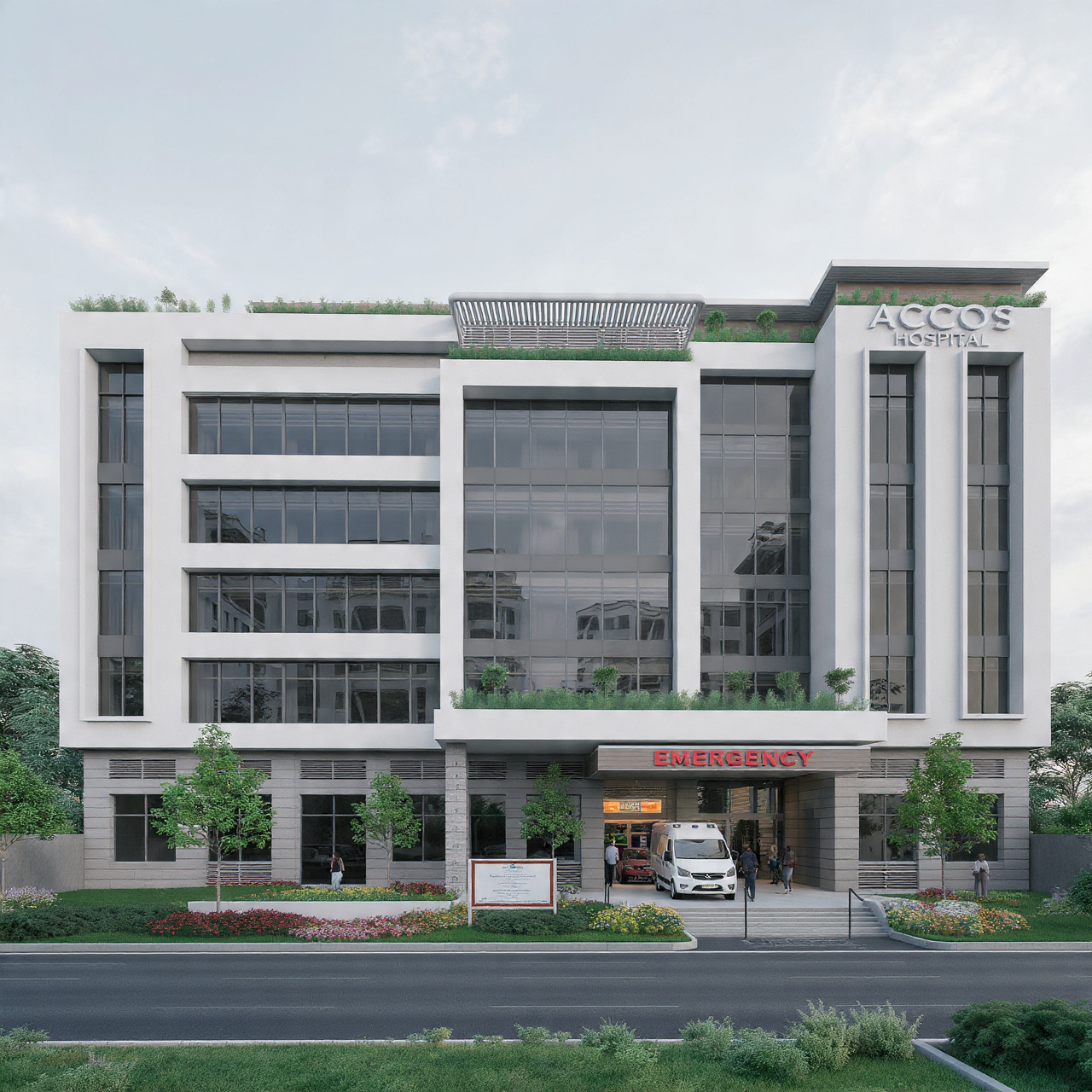
Healthcare Compliance & Safety Standards You Must Know in 2026
Introduction to Healthcare Compliance & Safety Standards
In 2026, Healthcare Compliance & Safety Standards are becoming increasingly important for hospitals, diagnostic centers, and medical facilities in Pakistan. These standards ensure that healthcare buildings are designed and constructed to protect patients, doctors, and medical staff.
Healthcare facilities require specialized planning, strict infection control, reliable electrical systems, and advanced medical infrastructure. Following proper Healthcare Compliance & Safety Standards ensures that hospitals operate safely and meet regulatory requirements.
Ahmed Construction Company (ACCO) is one of Pakistan’s trusted engineering and construction firms with extensive experience in healthcare facility development. Based in Lahore, ACCO provides professional services in hospital construction, medical facility design, and turnkey project execution.
Learn more about the company and its expertise here: Who We Are
ACCO has worked with various public and private organizations and has built strong relationships with clients across Pakistan. You can explore our trusted partners here: Our Clients
Why Healthcare Compliance & Safety Standards Matter in Pakistan
The healthcare industry in Pakistan is expanding rapidly due to increasing population and rising demand for quality medical services. However, constructing hospitals without proper Healthcare Compliance & Safety Standards can lead to serious safety risks.
- Patient safety and protection
- Infection prevention and hygiene control
- Safe operation of medical equipment
- Fire safety and emergency preparedness
- Proper air quality and ventilation systems
Hospitals that follow proper Healthcare Compliance & Safety Standards can operate more efficiently and maintain high-quality medical services.
Key Healthcare Compliance & Safety Standards for Hospitals
Modern hospitals must follow strict Healthcare Compliance & Safety Standards during the design and construction phases. Below are the most important areas of compliance.
Infection Control Standards in Healthcare Compliance & Safety Standards
Infection prevention is one of the most critical elements of Healthcare Compliance & Safety Standards.
Hospitals must be designed to prevent the spread of diseases and bacteria. Important design features include:
- Isolation rooms for infectious patients
- Sterile operating theaters
- Antibacterial surfaces
- Easy-to-clean flooring systems
- Medical waste disposal systems
Medical Gas Systems in Healthcare Compliance & Safety Standards
Medical gas infrastructure is essential for hospitals and is a key component of Healthcare Compliance & Safety Standards.
Hospitals rely on gases such as:
- Oxygen
- Medical air
- Nitrous oxide
- Vacuum systems
Key requirements include:
- Central gas supply systems
- Backup oxygen supply
- Pressure monitoring systems
- Emergency shut-off valves
Electrical Safety in Healthcare Compliance & Safety Standards
Electrical infrastructure plays a critical role in modern healthcare facilities.
Hospitals require specialized electrical systems to support medical equipment such as MRI machines, CT scanners, and ventilators. Key electrical systems include:
- Uninterruptible Power Supply (UPS)
- Emergency backup generators
- Dedicated circuits for medical equipment
- Emergency lighting systems
Fire Protection in Healthcare Compliance & Safety Standards
Fire safety is another critical component of Healthcare Compliance & Safety Standards. Hospitals must be designed to manage emergencies safely. Essential fire safety measures include:
- Fire detection systems
- Fire-resistant building materials
- Automatic fire suppression systems
- Clearly marked emergency exits
- Fire compartmentalization
HVAC & Air Quality in Healthcare Compliance & Safety Standards
Air quality is extremely important in healthcare environments. Proper HVAC systems are required to meet Healthcare Compliance & Safety Standards and prevent airborne infections. Hospitals typically include:
- HEPA filtration systems
- Negative pressure isolation rooms
- Positive pressure operation theaters
- Temperature and humidity control systems
Healthcare Construction Trends Supporting Healthcare Compliance & Safety Standards
Healthcare construction is evolving rapidly to meet modern Healthcare Compliance & Safety Standards.
Smart Hospitals
Hospitals are adopting smart technologies to monitor equipment, track patients, and improve operational efficiency.
Modular Healthcare Construction
Prefabricated hospital buildings allow faster construction while maintaining Healthcare Compliance & Safety Standards.
Sustainable Healthcare Buildings
Green hospital designs reduce environmental impact and improve patient recovery. Common sustainable features include:
- Solar power systems
- Energy-efficient lighting
- Water recycling systems
- Natural daylight design
Pros and Cons of Healthcare Compliance & Safety Standards
Advantages
- ✔ Improved patient safety
- ✔ Better infection control
- ✔ Higher medical facility standards
- ✔ Compliance with government regulations
- ✔ Long-term operational efficiency
- ✔ Increased hospital reputation
Disadvantages
- ⚠ Higher construction costs
- ⚠ Longer design and approval process
- ⚠ Complex engineering requirements
- ⚠ Need for specialized contractors
Healthcare Compliance Checklist
| Compliance Area | Requirement | Purpose |
|---|---|---|
| Infection Control | Sterile materials | Prevent infections |
| Medical Gas Systems | Oxygen supply | Patient treatment |
| Electrical Systems | Backup power | Continuous operations |
| Fire Safety | Fire alarms & exits | Emergency protection |
| HVAC Systems | HEPA filtration | Clean air |
| Radiation Protection | Lead shielding | Staff safety |
Frequently Asked Questions About Healthcare Compliance & Safety Standards
What are Healthcare Compliance & Safety Standards?
Healthcare Compliance & Safety Standards are regulations that ensure hospitals and medical facilities operate safely and meet health and safety requirements.
Why are Healthcare Compliance & Safety Standards important?
They protect patients, staff, and visitors while ensuring hospitals meet legal and medical safety requirements.
Who regulates Healthcare Compliance & Safety Standards in Pakistan?
Healthcare construction projects may require approvals from local development authorities and government health departments.
Are Healthcare Compliance & Safety Standards expensive to implement?
Yes, healthcare buildings typically cost more due to specialized systems and strict safety requirements.
Why should hospitals follow Healthcare Compliance & Safety Standards?
Following these standards ensures patient safety, reduces infection risks, and improves hospital efficiency.
External References
Conclusion
Healthcare facilities must follow strict Healthcare Compliance & Safety Standards to ensure safe medical environments for patients and healthcare professionals.
By following proper Healthcare Compliance & Safety Standards, hospitals can provide better healthcare services while ensuring safety and operational efficiency.
Contact Ahmed Construction Company (ACCO)
If you are planning to construct a hospital, diagnostic center, or healthcare facility, Ahmed Construction Company (ACCO) offers professional construction and engineering services.
Learn more about our company here: Who We Are
See the organizations that trust our work: Our Clients
Visit our website: ACCO.com.pk
Contact ACCO today for a free consultation.

MRI Room Design: RF Shielding, Quench Pipe & Magnet Delivery
MRI room design guide: scan, control and equipment rooms, safety zones, RF shielding, fringe field, quench pipe, structure, vibration, cooling and common mistakes.
Rented Building vs Purpose-Built Hospital: Which Is Right for You?
Rented building vs purpose-built hospital in Pakistan: cost, time, licensing, layout and lease risks compared, with a suitability checklist and a staged rent-then-build strategy.
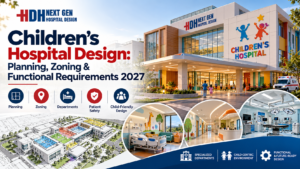
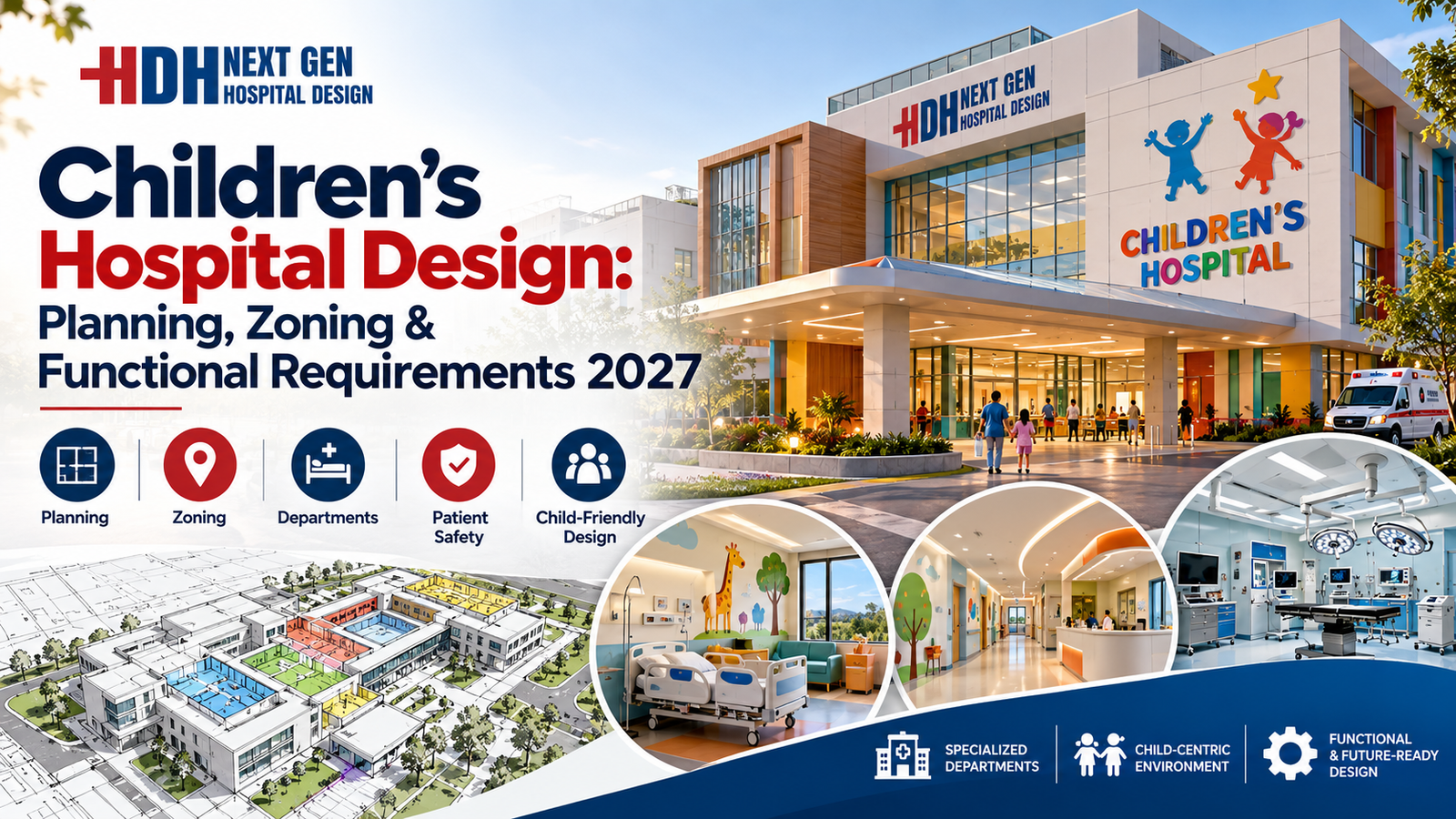
Children’s Hospital Design in Pakistan: Planning, Zoning & Requirements for 2027
Children’s Hospital Design in Pakistan for 2027 Building a hospital is complex. Building one for children is an entirely different challenge. In Pakistan, where healthcare demand is rising rapidly across cities like Lahore, Karachi, and Islamabad, the need for specialized
Sindh Healthcare Commission Licensing for New Hospitals
Sindh Healthcare Commission licensing explained for new hospitals and clinics: what the standards cover, how they affect design, readiness checklist and converting buildings in Karachi.
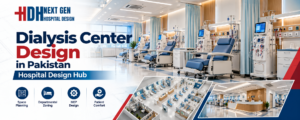
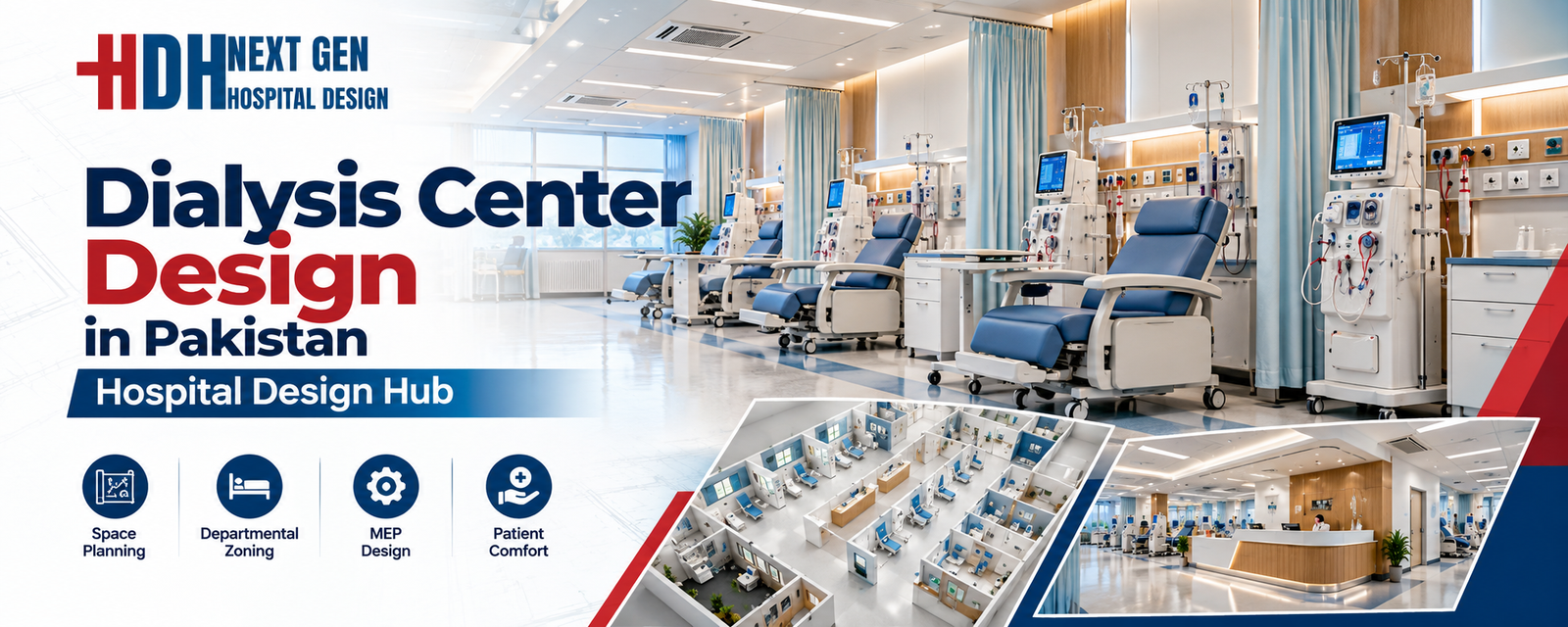
Dialysis Center Design in Pakistan | Hospital Design Hub
Dialysis Center Design in Pakistan: 2027 Planning Guide Imagine a patient in Lahore who needs haemodialysis three times a week, four hours per session, for years. The building they walk into every other day is not just a medical facility.
Burn Unit Design: Infection Control, Temperature & Layout
Burn unit design for Pakistani hospitals: burn ICU, wards, dressing and hydrotherapy rooms, burn OT, warm-room HVAC, infection control, capacity and common mistakes.

Case Study: KEMU / Mayo Hospital Works by Hospital Design Hub
What working at KEMU / Mayo Hospital Lahore involves: renovating a historic, high-volume teaching hospital, heritage buildings, infrastructure upgrades and phased construction.
Hospital Generator & UPS Backup Design for Load-Shedding
Hospital power backup in Pakistan: load classification, generator sizing and N+1 redundancy, ATS, UPS for OT and ICU, isolated power, fuel storage, solar and testing.
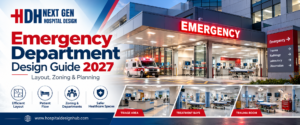
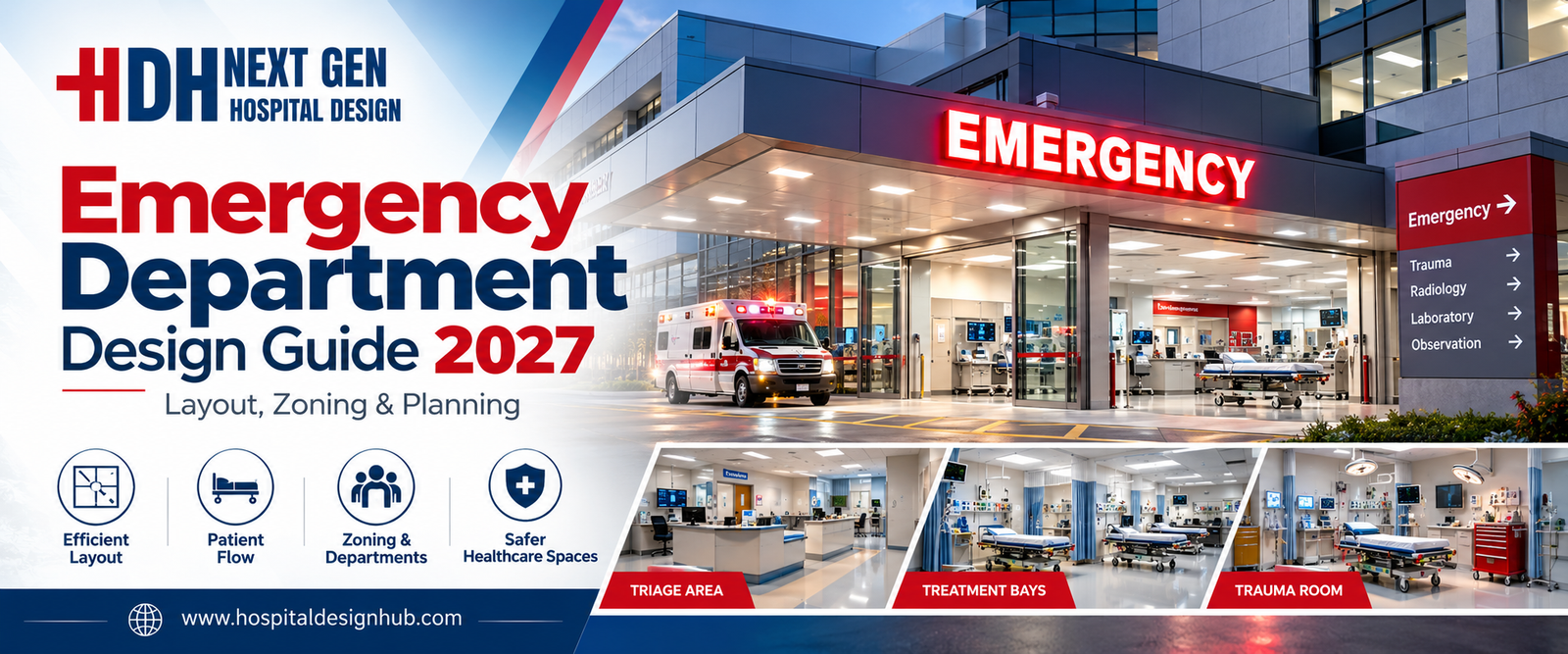
Emergency Department Design Guide 2027 | Layout, Zoning & Planning
Emergency Department Design: Pakistan Planning Guide 2027 Emergency Department Design: Layout, Zoning & Planning Guide 2027 In hospitals across Lahore, Karachi, and Islamabad, emergency departments face a daily reality that no amount of staffing can fix: poorly designed spaces. A
LINAC Bunker Design for Radiotherapy Centres
LINAC bunker design for radiotherapy centres in Pakistan: shielding calculation, wall thickness, maze and door, materials, penetrations, construction quality and PNRA approval.
Dialysis Centre Setup Cost in Pakistan: Building, RO & Machines
Indicative 2026 dialysis centre setup cost in Pakistan: space, building works, RO plant, dialysis machines, running costs, licensing and ways to reduce cost safely.
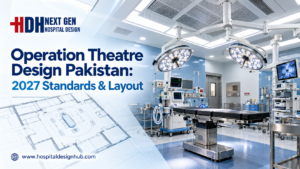
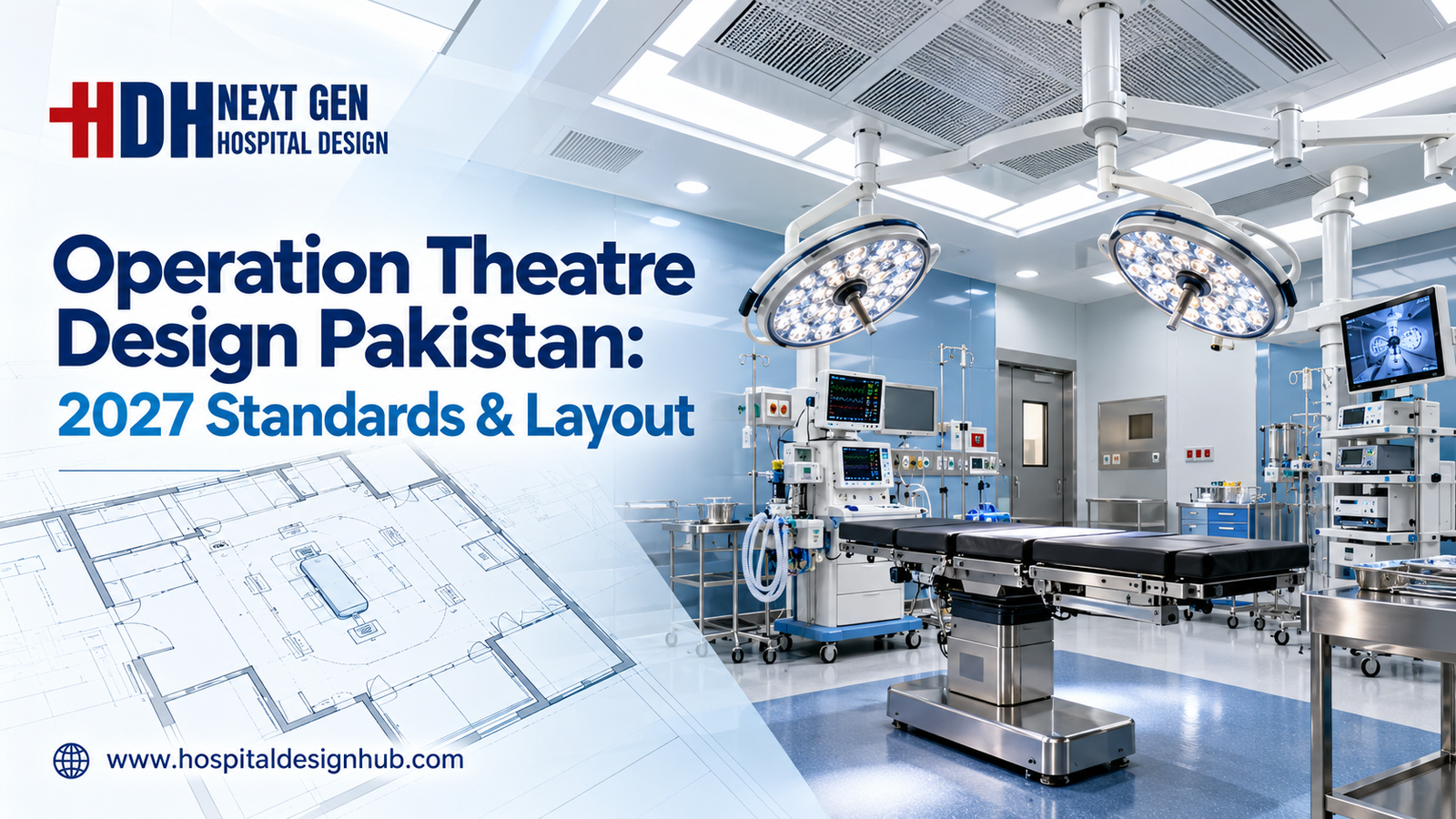
The Complete Operation Theatre Design Guide for Pakistan (2027)
Operation Theatre Design: Standards, Layout & Planning Guide 2027 Building a hospital in Pakistan is not just about constructing walls; it is about creating an environment where lives are saved. For doctors and hospital administrators in Lahore, Karachi, or Islamabad,
Prefab Isolation Wards & PEB Field Hospitals: Rapid Healthcare Build
Prefab hospital wards and PEB field hospitals in Pakistan: systems, build times, isolation ward design, climate and services, comparison with RCC, and common mistakes.
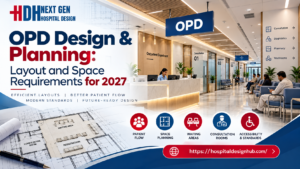
OPD Design & Planning: Layout and Space Requirements for 2027
OPD Design & Planning: Layout and Space Requirements for 2027 Picture a patient walking into a hospital in Lahore for a routine checkup. Within minutes, they are lost in a cramped corridor, unsure where to register, sitting in a waiting
Hospital Fire Safety under the Building Code of Pakistan
Hospital fire safety in Pakistan: defend-in-place strategy, compartmentation, fire doors, alarms, sprinklers, electrical and oxygen fire risks, escape routes and an owner checklist.