
The Role of Biomedical Engineering in Modern Hospital Infrastructure
🏗️ Introduction to ACCO Construction
ACCO Construction is a trusted name in Pakistan’s construction and engineering industry, recognized for delivering innovative healthcare and hospital infrastructure solutions. Based in Lahore, ACCO has over two decades of experience in turnkey hospital design, construction, and engineering services, ensuring compliance with international healthcare standards.
Our multidisciplinary team — including architects, civil engineers, MEP experts, and biomedical engineers — collaborates to design facilities that are technologically advanced, safe, and patient-focused. From small diagnostic centers to large tertiary-care hospitals, ACCO Construction is known for blending medical technology and engineering excellence into every project.
🏥 Introduction to the Topic: The Importance of Biomedical Engineering in Modern Hospitals
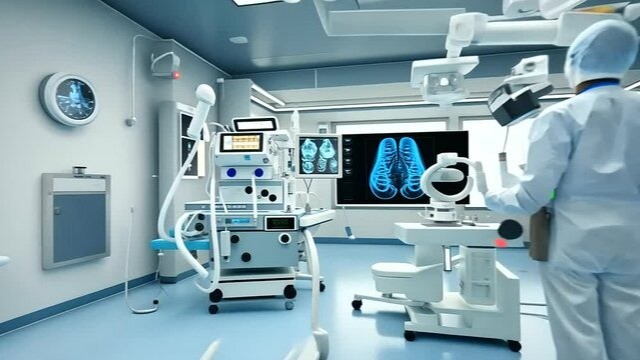
In today’s era of advanced healthcare, biomedical engineering has become an essential component of hospital infrastructure design and management. Biomedical engineers bridge the gap between medicine and engineering, ensuring that medical equipment, systems, and technologies are properly integrated into hospital environments.
In Pakistan’s rapidly growing healthcare sector, hospitals are under increasing pressure to modernize their facilities to meet international standards and patient expectations. This evolution demands the integration of biomedical engineering principles into the design, construction, and operation of healthcare buildings.
By incorporating biomedical engineering expertise, hospitals can achieve:
Improved patient safety and care
Better equipment reliability and maintenance
Efficient space utilization and workflow optimization
Compliance with international healthcare regulations
⚙️ What Is Biomedical Engineering in Hospital Infrastructure?
Biomedical Engineering (BME) is a multidisciplinary field that applies engineering principles and design concepts to medicine and biology.
In hospital infrastructure, it focuses on:
Designing and integrating medical equipment systems
Managing hospital technology assets
Ensuring safety and compliance
Supporting maintenance and performance optimization
🔬 Key Areas of Biomedical Engineering in Hospitals:
Medical Equipment Planning and Procurement
Selecting, testing, and installing diagnostic and therapeutic devices.
Example: MRI machines, ventilators, X-ray systems, and infusion pumps.
Healthcare Technology Management
Maintaining and calibrating equipment to ensure accurate performance.
Infrastructure Integration
Coordinating electrical, mechanical, and gas systems to support medical devices.
Clinical Engineering
Training staff and ensuring safe usage of medical technologies.
Safety & Compliance
Meeting international standards like ISO 13485, IEC 60601, and WHO hospital design guidelines.
🧠 How Biomedical Engineering Enhances Hospital Design and Construction
1. Equipment-Centric Space Planning
Biomedical engineers collaborate with architects and interior designers to ensure spatial layouts accommodate advanced medical technologies without compromising safety or workflow.
Example:
MRI suites require specialized shielding and controlled environments to prevent magnetic interference.
2. Integration with MEP Systems
Biomedical engineers ensure seamless coordination between:
Electrical systems (power supply, backup, grounding)
Mechanical systems (HVAC, air pressure zones)
Pneumatic systems (medical gases, vacuum lines)
This ensures that medical devices operate safely and efficiently.
3. Technology Infrastructure
Modern hospitals depend on IT networks for:
Patient monitoring systems
Electronic Health Records (EHR)
Telemedicine platforms
Biomedical engineers design these systems to ensure connectivity, security, and reliability.
4. Sustainability & Efficiency
Biomedical planning also includes energy-efficient systems, low-maintenance devices, and smart automation to reduce operating costs while maintaining patient safety.
📊 Comparison Table: Traditional vs. Biomedical-Integrated Hospital Design
| Feature | Traditional Design | Biomedical-Integrated Design |
|---|---|---|
| Equipment Planning | Done after construction | Integrated during design stage |
| Maintenance | Reactive | Preventive and proactive |
| Workflow Efficiency | Often disrupted | Smooth and optimized |
| Technology Upgradation | Difficult and costly | Flexible and modular |
| Compliance | Basic safety only | International medical standards |
🧩 Applications of Biomedical Engineering in Modern Hospital Infrastructure

🏥 1. Operation Theatres (OT)
Integration of surgical lights, anesthesia systems, and imaging tools.
Controlled environment with HEPA filtration and temperature regulation.
💉 2. Intensive Care Units (ICU)
Bedside monitoring systems connected to central stations.
Biomedical layout ensures minimal cable clutter and maximum accessibility.
🧪 3. Diagnostic Laboratories
Equipment alignment for efficient sample flow.
Calibration and maintenance schedules managed via biomedical software.
🩻 4. Radiology Departments
Shielded rooms, controlled lighting, and temperature-sensitive equipment.
🏠 5. Outpatient & Emergency Units
Rapid-access diagnostic devices, mobile trolleys, and automated patient tracking systems.
📈 Trends in Biomedical Engineering and Hospital Design (2025 and Beyond)
AI and Predictive Maintenance
Using AI to monitor equipment performance and prevent breakdowns.
Internet of Medical Things (IoMT)
Networked medical devices communicating in real time.
Robotics and Automation
Robotic surgery and automated medication dispensing systems.
Sustainable Healthcare Design
Green building materials and energy-efficient equipment.
Telemedicine Integration
Smart rooms designed for remote consultations and digital monitoring.
✅ Advantages of Integrating Biomedical Engineering
1. Enhanced Patient Care:
Accurate diagnostics and treatment through reliable equipment.
2. Improved Operational Efficiency:
Reduced downtime through predictive maintenance.
3. Cost Savings:
Efficient asset management lowers operational expenses.
4. Regulatory Compliance:
Meets standards of PEC, WHO, and Pakistan Health Ministry.
5. Sustainable Development:
Supports green healthcare and smart hospital design.
⚠️ Challenges / Disadvantages
⚙️ High initial investment for advanced systems
🧩 Need for specialized engineers and training
🕒 Longer design and approval timelines
💸 Cost of continuous calibration and certification
🏗️ ACCO Construction’s Approach to Biomedical Engineering Integration
At ACCO Construction, we believe modern hospitals must combine architecture with biomedical intelligence. Our process includes:
Early Collaboration:
Biomedical engineers work with architects during the conceptual design stage.Equipment Layout Planning:
Each department’s medical devices are mapped into 3D models for accuracy.Compliance and Standards:
We ensure adherence to WHO, IEC, ASHRAE, and PEC guidelines.Technology Commissioning:
Final testing, validation, and staff training before handover.Lifecycle Support:
Maintenance, calibration, and future upgrades managed through service contracts.
ACCO’s turnkey solutions combine civil, MEP, and biomedical engineering under one roof — delivering hospitals that are efficient, safe, and future-ready.
💬 Pros and Cons of Biomedical Engineering in Hospital Infrastructure
✅ Pros
Improves patient safety and clinical outcomes
Reduces long-term operational costs
Enables integration of smart technologies
Supports accreditation (JCI, ISO)
Extends equipment lifespan
❌ Cons
High initial investment
Requires skilled biomedical teams
Complex coordination with multiple departments
💡 FAQs About Biomedical Engineering in Hospitals
1. What is biomedical engineering in hospital design?
It is the application of engineering principles to integrate and manage medical equipment and technologies within hospital infrastructure.
2. Why is biomedical engineering important for hospitals in Pakistan?
It ensures hospitals meet global safety and performance standards while improving patient care and efficiency.
3. How does ACCO Construction use biomedical engineering?
ACCO integrates biomedical planning from the design phase, ensuring seamless coordination between architecture, MEP, and technology systems.
4. Can existing hospitals adopt biomedical upgrades?
Yes. Retrofitting and layout modifications can modernize old hospitals for better workflow and compliance.
5. Does ACCO offer biomedical consulting and equipment planning?
Yes, ACCO provides complete biomedical engineering consultancy, from design to implementation and maintenance.
🔗 Related Internal Links
🌐 External References
🏁 Final Verdict
Biomedical engineering is transforming hospital infrastructure in Pakistan, making healthcare safer, smarter, and more efficient. As technology continues to evolve, hospitals that adopt biomedical design integration will gain a competitive edge in patient care and operational efficiency.
ACCO Construction remains at the forefront of this innovation — blending engineering precision, medical functionality, and sustainable construction to deliver world-class hospital facilities.
📞 Call to Action
Looking to build or upgrade a modern hospital with biomedical engineering integration?
Partner with ACCO Construction — Pakistan’s leader in hospital design, construction, and engineering innovation.
📲 Contact ACCO today for a free consultation!
🌐 www.acco.com.pk
📧 info@acco.com.pk
📞 +92-322-8000190

Maternity & Neonatal ICU (NICU) Spatial Planning and Design Standards
Maternity & Neonatal ICU (NICU) Spatial Planning and Design Standards Welcome to hospitaldesignhub.com, your premier online resource for advanced healthcare architecture, spatial planning, and medical engineering insights. In this comprehensive guide, we explore the intricate architectural and engineering standards required

Hospital Demolition & Renovation: Working Safely in Operational Facilities
Safe Renovations: Managing Demolition and Construction in Active Hospitals Welcome to Hospital Design Hub. Renovating or expanding an operational hospital is a challenging construction task. Unlike empty commercial spaces, a hospital renovation occurs near active patient care zones, operating rooms,

The Future of Telemedicine: Designing Virtual Consultation Wards
Virtual Care Spaces: Designing Modern Telemedicine Consultation Wards Welcome to Hospital Design Hub. The integration of digital technology is transforming healthcare delivery, with telemedicine leading this change. In Pakistan, telemedicine is helping bridge the healthcare gap between urban centers like

Designing Cancer Treatment Centers: Radiotherapy & Chemotherapy Ward Layouts
Engineering Hope: Designing Advanced Oncology Centers Welcome to Hospital Design Hub. The rising incidence of cancer in Pakistan has led to an increased demand for specialized cancer treatment facilities. Designing oncology centers requires integrating radiation physics, sterile pharmacy compounding, and

Patient Safety First: Slip-Resistant Flooring and Handrail Selection Guide
Safe Passageways: Selecting Flooring and Handrails for Healthcare Facilities Welcome to Hospital Design Hub. Patient safety is a primary consideration in healthcare architecture. Among the various safety challenges, accidental falls in corridors, patient rooms, and bathrooms are a leading cause

Designing Diagnostic & Imaging Centers: MRI, CT Scan & X-Ray Layouts
Engineering the Core: Designing Safe Diagnostic Imaging Suites Welcome to Hospital Design Hub. The diagnostic and imaging department is the technological heart of any modern healthcare facility. Designing these suites requires more than just allocating space; it involves complex engineering,

Turnkey Hospital Projects: Why Single-Source Responsibility Saves Time & Budget
Streamlining Healthcare Construction: The Turnkey Advantage Welcome to Hospital Design Hub. Building a hospital is one of the most complex construction challenges. Unlike standard commercial or residential buildings, a hospital requires integrating advanced architectural design, heavy structural loads, complex mechanical

Building Code Compliance for Healthcare Infrastructure in Karachi & Sindh
Navigating Regulatory Codes: Hospital Construction Compliance in Sindh Welcome to Hospital Design Hub. Developing a healthcare facility in Karachi and the wider Sindh province is a complex undertaking. Unlike residential or commercial developments, healthcare infrastructure is subject to a double

Landscaping & Healing Gardens in Modern Healthcare Masterplans
Nature as Medicine: Integrating Healing Gardens in Healthcare Masterplans Welcome to Hospital Design Hub. The architecture of a modern hospital extends far beyond its concrete walls. The surrounding landscape, when designed with therapeutic intent, serves as an active component of

Design & Construction Guide for Daycare & Day Surgery Centers
Optimizing Outpatient Care: Designing Modern Day Surgery Centers Welcome to Hospital Design Hub. The global healthcare landscape is rapidly transitioning toward outpatient care, with day surgery centers leading this evolution. In Pakistan, the demand for daycare surgery and ambulatory care

The Role of Interior Design in Patient Healing & Recovery Environments
The Psychology of Healing: Role of Interior Design in Modern Healthcare Welcome to Hospital Design Hub. In modern healthcare infrastructure design, the healing process is no longer confined to medical prescriptions and surgical interventions. The environment in which a patient

How to Convert a House or Small Building into a Dental Clinic
Introduction to Hospital Design Hub and ACCO Welcome to hospitaldesignhub.com, your leading source for outpatient clinic layouts, dental facility design, and healthcare space conversion in Pakistan. This conversion guide is developed in partnership with ACCO, the nation’s premier turnkey healthcare

Vetting MEP Contractors for Hospital Engineering: A Checklist
Introduction to Hospital Design Hub and ACCO Welcome to hospitaldesignhub.com, your trusted online portal for medical engineering, MEP systems design, and clinical facility maintenance in Pakistan. This technical vetting checklist is presented by ACCO, the nation’s premier healthcare architecture, engineering,

Understanding PHC (Punjab Healthcare Commission) Hospital Layout Guidelines
Introduction to Hospital Design Hub and ACCO Welcome to hospitaldesignhub.com, your dedicated resource for healthcare regulatory compliance, medical facility layouts, and hospital engineering in Pakistan. This guide is presented in partnership with ACCO, Pakistan’s leading healthcare architecture and turnkey construction

Green & Sustainable Hospital Design: Reducing Carbon Footprint & Energy Costs
Introduction to Hospital Design Hub and ACCO Welcome to hospitaldesignhub.com, your trusted source for green building technologies, healthcare architecture, and sustainable engineering in Pakistan. This guide is presented in collaboration with ACCO, Pakistan’s leading healthcare design, engineering, and turnkey construction

Private vs. Public Sector Healthcare Infrastructure in Lahore: A Comparative Study
Introduction to Hospital Design Hub and ACCO Welcome to hospitaldesignhub.com, your primary portal for healthcare infrastructure analysis, hospital planning, and clinical engineering in Pakistan. This comparative study is brought to you by ACCO, the nation’s leading turnkey healthcare architecture, engineering,

Choosing a Healthcare Architect in Islamabad: Criteria & Portfolio Auditing
Introduction to Hospital Design Hub and ACCO Welcome to hospitaldesignhub.com, your dedicated guide for medical architecture, hospital zoning, and healthcare project management in Pakistan. This guide is presented by ACCO, the nation’s leading healthcare architecture and turnkey engineering firm. Operating

How to Budget for Hospital Construction: Structural vs. Finishes Costs
Introduction to Hospital Design Hub and ACCO Welcome to hospitaldesignhub.com, your trusted guide for hospital construction budgeting, cost estimation, and healthcare engineering projects in Pakistan. This analytical cost guide is brought to you by ACCO, Pakistan’s leading turnkey healthcare construction

A Complete 100-Bed Hospital Master Planning Guide
Introduction to Hospital Design Hub and ACCO Welcome to hospitaldesignhub.com, your premier online resource for hospital master planning, healthcare engineering, and clinical design optimization. This comprehensive guide is developed in collaboration with ACCO, Pakistan’s leading turnkey healthcare architecture and construction

Hospital Renovation Budgeting in Pakistan: Planning Your 2026 Upgrade
Hospital Renovation Budgeting in Pakistan: Planning Your 2026 Upgrade Renovating a live hospital is fundamentally different from new construction — you are upgrading infrastructure while patients remain on-site. Proper hospital renovation budgeting in Pakistan accounts for this operational complexity, not