π₯ The Future of Smart Hospitals: Integrating Technology for Better Healthcare Delivery | ACCO Construction
ποΈ Introduction to ACCO Construction
ACCO Construction is a pioneer in hospital design, engineering, and turnkey construction in Pakistan. Based in Lahore, with over 20 years of expertise, ACCO delivers world-class infrastructure for hospitals, medical colleges, diagnostic centers, and healthcare facilities nationwide.
Our commitment lies in creating intelligent, patient-centric environments using advanced engineering systems, smart automation, and sustainable design β all compliant with international healthcare standards (NFPA, WHO, ASHRAE).
π‘ At ACCO, we donβt just build hospitals β we build healing environments equipped for the future of healthcare.
π§ Introduction: The Future of Smart Hospitals in Pakistan
The healthcare landscape is rapidly evolving. As patient needs grow and technology advances, hospitals must transition from traditional facilities to smart hospitals β where digital systems, automation, and AI-driven solutions enhance patient care, operational efficiency, and safety.
In Pakistan, this transformation is gaining momentum as both public and private healthcare sectors seek smarter, safer, and more efficient solutions to handle increasing patient volumes and resource constraints.
π According to the Pakistan Health Sector Vision 2030, digital transformation in healthcare is expected to improve hospital efficiency by up to 40% and reduce operational costs by 25%.
π§ What Is a Smart Hospital?
A Smart Hospital integrates digital technology, Internet of Things (IoT), Artificial Intelligence (AI), and data analytics to manage patient care, hospital operations, and energy systems intelligently.
Itβs not just about automation β itβs about creating an ecosystem where data, devices, and people work seamlessly together.
π©Ί Core Components of Smart Hospitals:
IoT-Connected Devices: Real-time patient monitoring and smart diagnostics.
AI-Driven Systems: Predictive analytics for patient care and equipment maintenance.
Electronic Health Records (EHR): Centralized patient data accessible across departments.
Smart MEP Systems: Automated HVAC, lighting, and water management.
Energy Optimization: Renewable and low-energy solutions for sustainable operation.
Digital Security: Cyber-safe patient records and operational networks.
π» How Technology Is Transforming Hospital Infrastructure
ACCO Construction integrates technology into every layer of hospital design and construction. Letβs explore the key innovations shaping the future of smart hospitals in Pakistan.
π₯ 1. IoT (Internet of Things) in Hospital Design
IoT connects medical devices, sensors, and systems to a central network for real-time monitoring and control.
Applications include:
Smart ICU systems for remote patient monitoring
Intelligent lighting that adjusts to occupancy and time of day
Temperature and humidity sensors for infection control
Smart asset tracking (beds, wheelchairs, ventilators)
Automated alerts for maintenance and supply shortages
π©Έ IoT ensures efficiency, safety, and proactive care β essential for modern hospitals.
𧬠2. Artificial Intelligence (AI) in Healthcare Infrastructure
AI enhances diagnostic accuracy, workflow management, and energy efficiency.
ACCO integrates AI into:
Predictive maintenance of hospital equipment
Automated scheduling for staff and rooms
Data-driven space utilization
AI-based surveillance for patient safety
Predictive analysis for power and HVAC systems
π€ AI-powered hospitals save time, reduce human error, and optimize operational flow.
βοΈ 3. Building Management Systems (BMS) and Automation
Smart Hospitals use Building Management Systems to control all facility components β HVAC, lighting, elevators, and fire safety β through a single interface.
Key Advantages:
Centralized control room
Real-time data on energy usage
Automated fault detection
Enhanced comfort for patients and staff
ACCO Construction deploys advanced BMS technologies aligned with LEED-certified standards to reduce energy waste and improve building lifespan.
πΏ 4. Energy Efficiency and Green Smart Design
Smart hospitals are not only digital but also sustainable.
ACCO focuses on eco-friendly construction techniques such as:
Solar energy systems
Energy-efficient insulation and glazing
Rainwater harvesting
Waste segregation and recycling
Smart HVAC systems with energy recovery units
π± Every smart hospital designed by ACCO aims for minimal environmental impact and long-term savings.
π§± 5. Prefabricated and Modular Smart Hospital Units
For rapid deployment in remote or emergency situations, prefabricated modular hospitals are revolutionizing Pakistanβs healthcare infrastructure.
Benefits:
40% faster construction
Reduced site waste
Flexibility for future expansion
Integrated MEP and IT systems pre-installed
ACCOβs modular systems are ideal for field hospitals, isolation units, and specialized clinics.
π₯οΈ 6. Digital Health Records and Smart Administration
Gone are the days of paper files and manual patient management.
Smart hospitals feature Electronic Health Records (EHR) that streamline:
Patient admission & discharge
Doctor scheduling
Digital prescriptions
Real-time billing
Cloud-based data storage
πΎ Digitization ensures faster care delivery and secure information management.
π 7. Smart Patient Experience
ACCO emphasizes human-centered design and technological integration for better patient comfort.
Innovations include:
Touchscreen nurse call systems
Smart beds with health sensors
In-room climate control via mobile app
Digital signage and wayfinding
Telemedicine integration for remote consultations
π§‘ The patient becomes the center of the hospital ecosystem.
βοΈ Pros and Cons of Smart Hospitals
β Pros
Enhanced operational efficiency
Improved patient outcomes
Lower energy consumption
Real-time data analytics
Remote accessibility
Predictive maintenance reduces downtime
β οΈ Cons
High initial investment
Requires skilled IT and engineering teams
Potential cybersecurity risks
Continuous system updates needed
Technology training for staff
π Smart Hospital Trends in Pakistan (2025 and Beyond)
Based on recent DAWN Business Reports and Healthcare Pakistan 2025 studies, the smart hospital sector is expanding rapidly:
| Trend | Growth Potential | Notes |
|---|---|---|
| IoT & AI Integration | β 60% | Predominantly in private hospitals |
| Modular Smart Units | β 45% | Used for rapid deployment |
| Green Hospital Design | β 50% | Focus on energy efficiency |
| Digital Record Systems | β 70% | Adoption across all provinces |
| Telemedicine Platforms | β 65% | Especially in rural healthcare |
π Pakistan is on the path toward digital healthcare transformation.
π§© Smart Hospital Cost Estimation (Pakistan Market 2025)
| Hospital Type | Cost Range (PKR per sqft) | Key Features |
|---|---|---|
| Basic Smart Hospital | 10,000 β 12,000 | IoT, BMS, and energy systems |
| Mid-Level Smart Facility | 12,500 β 15,000 | AI integration, EHR, modular zones |
| Fully Integrated Smart Hospital | 15,500 β 18,000 | Advanced automation, sustainability, AI diagnostics |
(Contact ACCO Construction for customized quotations and project consultancy.)
π’ Why Choose ACCO Construction for Smart Hospital Projects in Pakistan?
β Over 20 years of healthcare construction experience
π§° Expertise in MEP, automation, and intelligent systems
π§± Turnkey Design & Build solutions
πΏ Sustainable and energy-efficient approach
π§ In-house team of certified engineers and architects
π Proven track record in hospital and healthcare infrastructure
π₯ From design to commissioning, ACCO delivers smart hospitals built for the future.
β Frequently Asked Questions (FAQs)
1. What makes a hospital βsmartβ?
A smart hospital integrates IoT, AI, and automation to enhance patient care, reduce costs, and improve operational efficiency.
2. How much does it cost to build a smart hospital in Pakistan?
Depending on scale and technology level, it ranges between PKR 10,000 to 18,000 per sqft.
3. Can ACCO retrofit existing hospitals with smart technology?
Yes. ACCO specializes in hospital renovation and smart technology upgrades for existing facilities.
4. What technologies does ACCO use in smart hospitals?
IoT systems, Building Management Systems (BMS), AI analytics, smart lighting, digital health records, and automation controls.
5. Are smart hospitals environmentally friendly?
Absolutely. They consume less energy, produce less waste, and use renewable energy sources for sustainability.
π§ Internal Links
π External Links
π Final Verdict
The future of healthcare in Pakistan depends on smart, technology-driven, and sustainable infrastructure.
With IoT, AI, and automation, hospitals can offer personalized care, efficient management, and eco-friendly operations.
ACCO Construction is leading this change β designing and building next-generation smart hospitals that redefine healthcare delivery in Pakistan.
π©Ί Investing in smart hospital infrastructure today ensures better healthcare outcomes tomorrow.
π Call to Action (CTA)
π Ready to build a Smart Hospital in Pakistan?
Contact ACCO Construction today for a free consultation and cost estimate.
π Office 2, 3rd Floor Bigcity Plaza, Gulberg-III, Lahore
π§ info@acco.com.pk
π 0322-8000190
π www.acco.com.pk

Diagnostic Lab & Collection Centre Setup Guide (Space, Cost, Licensing)
Lab collection centre setup in Pakistan: collection centre vs full lab, space, layout, lab sections, power and HVAC, indicative costs, licensing and common mistakes.

Elderly Care & Geriatric Facility Design in Pakistan
Elderly care facility design in Pakistan: facility types, fall prevention, resident rooms, dementia-friendly design, communal and cultural spaces, and healthcare support.

Hospital Laboratory Design 2027: Layout, Workflow & Safety Guide
< What Hospital Laboratory Design Really Involves Laboratory design sits at the intersection of clinical science, engineering, and regulatory compliance… The scope includes several interconnected elements… In Pakistan, the context adds specific demands… Designing for 2027 means anticipating trends… What

Hospital Kitchen & Laundry Planning: The Hidden Service Blocks
Hospital kitchen and laundry design: in-house vs outsourced, one-way workflow, zones, equipment, services, barrier washers, location and common mistakes.
Stroke Unit Design: Fast-Track Layout from ER to CT to ICU
Stroke unit design: fast-track pathway from ambulance to CT and treatment, acute stroke beds, rehabilitation spaces, accessibility and care models by hospital size.

Hospital Patient Room Design 2027: Space, Privacy & Functional Planning Guide
Hospital Patient Room Design 2027: Space, Privacy & Functional Planning Walk through any older hospital in Lahore or Karachi and you will notice it immediately: curtained-off beds in crowded wards, bathrooms down the corridor, no space for a family member

RO Water Plant Design for Dialysis Units
RO plant for dialysis: pre-treatment, carbon filtration, single vs double-pass RO, distribution loop design, sizing, plant room, testing and common mistakes.
KP Healthcare Commission Requirements for Clinics & Hospitals
KP Healthcare Commission requirements for clinics and hospitals: what the standards cover, common gaps in converted premises, KP-specific design issues and a licensing checklist.

Case Study: UOL Hospital Lahore
What projects at UOL Hospital Lahore and other private university teaching hospitals involve: master planning, clinical expansion, MEP infrastructure and phased construction.

Modular OT Panels vs Conventional OT Construction
Modular operation theatres in Pakistan vs conventional OT construction: materials, HVAC and laminar flow, cost drivers, OT size, supplier questions and commissioning.

Hospital Medical Waste Area & Incinerator Room Design
Hospital waste management design in Pakistan: waste types, regulations, segregation, dirty utilities, waste routes, central store design and on-site treatment options.
Hospital Reception & Waiting Area Design: Planning Guide for 2027
Hospital Reception & Waiting Area Design: 2027 Planning Guide Walk into any hospital in Lahore or Karachi and the first five minutes tell you everything. If the reception feels crowded, the signage confuses you, and the waiting chairs look like
MRI Room Design: RF Shielding, Quench Pipe & Magnet Delivery
MRI room design guide: scan, control and equipment rooms, safety zones, RF shielding, fringe field, quench pipe, structure, vibration, cooling and common mistakes.
Rented Building vs Purpose-Built Hospital: Which Is Right for You?
Rented building vs purpose-built hospital in Pakistan: cost, time, licensing, layout and lease risks compared, with a suitability checklist and a staged rent-then-build strategy.
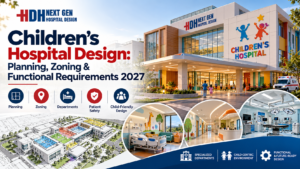
Childrenβs Hospital Design in Pakistan: Planning, Zoning & Requirements for 2027
Childrenβs Hospital Design in Pakistan for 2027 Building a hospital is complex. Building one for children is an entirely different challenge. In Pakistan, where healthcare demand is rising rapidly across cities like Lahore, Karachi, and Islamabad, the need for specialized

Sindh Healthcare Commission Licensing for New Hospitals
Sindh Healthcare Commission licensing explained for new hospitals and clinics: what the standards cover, how they affect design, readiness checklist and converting buildings in Karachi.
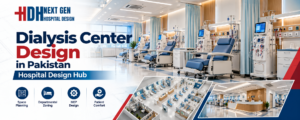
Dialysis Center Design in Pakistan | Hospital Design Hub
Dialysis Center Design in Pakistan: 2027 Planning Guide Imagine a patient in Lahore who needs haemodialysis three times a week, four hours per session, for years. The building they walk into every other day is not just a medical facility.
Burn Unit Design: Infection Control, Temperature & Layout
Burn unit design for Pakistani hospitals: burn ICU, wards, dressing and hydrotherapy rooms, burn OT, warm-room HVAC, infection control, capacity and common mistakes.

Case Study: KEMU / Mayo Hospital Works by Hospital Design Hub
What working at KEMU / Mayo Hospital Lahore involves: renovating a historic, high-volume teaching hospital, heritage buildings, infrastructure upgrades and phased construction.

Hospital Generator & UPS Backup Design for Load-Shedding
Hospital power backup in Pakistan: load classification, generator sizing and N+1 redundancy, ATS, UPS for OT and ICU, isolated power, fuel storage, solar and testing.