The Role of Technology in Modern Hospital Construction β ACCO Construction
ποΈ Introduction to ACCO Construction
ACCO Construction is a leading design and build construction company in Pakistan, recognized for delivering exceptional hospital, commercial, and industrial projects with innovative engineering and architectural excellence.
Headquartered in Gulberg-III, Lahore, ACCO has successfully completed numerous healthcare and institutional projects nationwide. With years of experience and a team of qualified architects, engineers, and project managers, the company specializes in turnkey hospital construction, prefabricated structures, and smart healthcare facility designs.
At ACCO, we believe that technology is reshaping modern construction, especially in the healthcare sector, where precision, hygiene, and functionality are critical.
π‘ Introduction: How Technology Is Transforming Hospital Construction
In the past decade, the construction industry has evolved rapidly β and hospital construction stands at the forefront of this transformation.
Modern hospitals demand precision engineering, sustainable systems, and smart technologies that enhance patient safety, comfort, and efficiency. In Pakistan, where healthcare infrastructure is growing to meet urban population demands, technology-driven construction is no longer an option β itβs a necessity.
From Building Information Modeling (BIM) to smart HVAC systems, automation, and AI-based facility management, technology plays a crucial role in every stage of hospital design and construction.
π§± The Key Technologies Shaping Modern Hospital Construction
1. π₯οΈ Building Information Modeling (BIM)
Building Information Modeling (BIM) allows architects and engineers to create 3D virtual models of hospitals before construction begins.
Benefits:
Detects design conflicts early (reducing rework)
Optimizes MEP layouts for space and safety
Enhances collaboration among teams
Supports cost estimation and project scheduling
π‘ Example: ACCO uses BIM to simulate complete hospital floor plans β including operation theatres, ICUs, and MEP systems β ensuring zero design conflicts before execution.
2. βοΈ Automation and Robotics
Automation in hospital construction improves speed, safety, and accuracy.
Applications:
Prefabrication & Robotics: Automated fabrication of steel structures and wall panels.
Drones: Used for aerial site inspection and progress tracking.
Robotic bricklaying: Ensures uniform, high-quality finishes.
In Pakistan, where construction timelines are critical, ACCO Construction integrates automated tools to accelerate project delivery without compromising quality.
3. πΏ Smart Building Systems
Smart hospitals are equipped with intelligent control systems that manage lighting, temperature, and ventilation automatically.
Features:
IoT-enabled sensors for air quality monitoring
Centralized control rooms for energy management
Smart fire detection and alarm systems
Automatic door and elevator systems
Such technologies not only improve patient comfort but also enhance operational efficiency and reduce energy consumption β supporting sustainability goals.
4. π§ Artificial Intelligence (AI) & Data Analytics
AI is transforming hospital operations even before construction is complete.
Role in Construction:
AI algorithms predict project delays and cost overruns.
Data analytics optimize resource allocation.
AI-assisted safety systems prevent on-site hazards.
Once operational, AI further enhances hospital management β from automated patient check-in to smart monitoring systems.
5. π§© Modular and Prefabricated Construction (PEB)
Prefabricated and modular construction is revolutionizing healthcare infrastructure in Pakistan.
Key Benefits:
Reduces construction time by up to 50%
Minimizes on-site waste and labor costs
Provides consistent quality control
Allows rapid deployment of emergency healthcare units
ACCO Construction specializes in Pre-Engineered Building (PEB) systems β ideal for modular hospitals, testing labs, and diagnostic centers.
6. π°οΈ Digital Project Management & Cloud Collaboration
Technology-driven project management tools like Procore, Autodesk Construction Cloud, and Primavera have streamlined hospital project execution.
Advantages:
Real-time progress tracking
Instant communication among teams
Transparent documentation and approvals
Reduced chances of human error
ACCO utilizes digital collaboration tools to keep all stakeholders β from clients to site engineers β updated throughout the project lifecycle.
β‘ Advantages of Technology in Hospital Construction
β Pros (Benefits)
Precision and Quality Control: Digital modeling ensures accurate designs and high construction standards.
Time Efficiency: Automation and prefabrication significantly reduce project timelines.
Cost Management: Early detection of design errors minimizes costly rework.
Sustainability: Energy-efficient systems and materials reduce long-term costs.
Enhanced Patient Care: Smart systems create cleaner, safer, and more comfortable environments.
β οΈ Challenges of Technology Integration
β Cons (Drawbacks)
High Initial Investment: Smart technologies require upfront capital.
Skilled Labor Requirement: Specialized training is needed for advanced tools.
Maintenance Complexity: Modern systems need regular updates and calibration.
Integration Issues: Compatibility challenges between legacy and new systems.
Despite these hurdles, the long-term efficiency and sustainability benefits far outweigh the initial challenges, making technology a cornerstone of future hospital construction.
π The Impact of Technology on Healthcare Infrastructure in Pakistan
Pakistanβs healthcare sector is undergoing massive transformation. With increasing investment from both the public and private sectors, the demand for modern, tech-driven hospitals is on the rise.
Recent Developments:
Smart healthcare campuses introduced in Lahore and Islamabad
Digital patient tracking and AI-assisted diagnostics
Green building certifications for hospitals adopting sustainable practices
ACCO Construction has been at the forefront of this transformation, delivering technologically advanced hospital projects aligned with international standards and local healthcare needs.
π Comparison Table: Traditional vs. Tech-Driven Hospital Construction
| Feature | Traditional Construction | Tech-Driven Construction |
|---|---|---|
| Design Process | 2D blueprints | 3D BIM modeling |
| Construction Time | 18β24 months | 8β12 months (modular) |
| Error Detection | Post-construction | Pre-construction (digital clash detection) |
| Sustainability | Low | High (smart energy systems) |
| Cost Efficiency | Moderate | Long-term savings |
| Patient Experience | Basic | Enhanced comfort and safety |
π¬ Frequently Asked Questions (FAQs)
1. What technologies are used in hospital construction today?
Technologies include BIM, IoT, automation, prefabrication, and AI-driven project management tools.
2. How does technology improve patient experience in hospitals?
Smart lighting, temperature control, and energy-efficient systems create comfortable and healing environments.
3. What is the role of BIM in hospital design?
BIM ensures design accuracy, improves collaboration, and prevents costly on-site conflicts.
4. Is modular construction suitable for hospitals?
Yes, modular (PEB) construction allows for quick deployment, easy expansion, and reduced downtime.
5. How is ACCO Construction leading in tech-based hospital projects?
ACCO integrates BIM, smart MEP design, and modular construction to deliver turnkey, future-ready hospital projects in Pakistan.
π§ Final Verdict
Technology has become the backbone of modern hospital construction β driving efficiency, safety, and patient-centered design.
By adopting advanced tools like BIM, automation, and smart energy systems, construction firms can deliver faster, cleaner, and more sustainable hospitals that redefine healthcare delivery in Pakistan.
ACCO Construction remains a trusted partner for innovative hospital construction, providing turnkey solutions powered by the latest technology and sustainable design practices.
π Internal Links
π External References
π Call to Action
If youβre planning to design or build a hospital equipped with modern technology and smart infrastructure,
π Contact ACCO Construction today for a free consultation!
π Office: Office 2, 3rd Floor, Big City Plaza, Gulberg-III, Lahore
π Phone / WhatsApp: +92 311 1749849
π Website: www.accoengineering.com

Diagnostic Lab & Collection Centre Setup Guide (Space, Cost, Licensing)
Lab collection centre setup in Pakistan: collection centre vs full lab, space, layout, lab sections, power and HVAC, indicative costs, licensing and common mistakes.

Elderly Care & Geriatric Facility Design in Pakistan
Elderly care facility design in Pakistan: facility types, fall prevention, resident rooms, dementia-friendly design, communal and cultural spaces, and healthcare support.
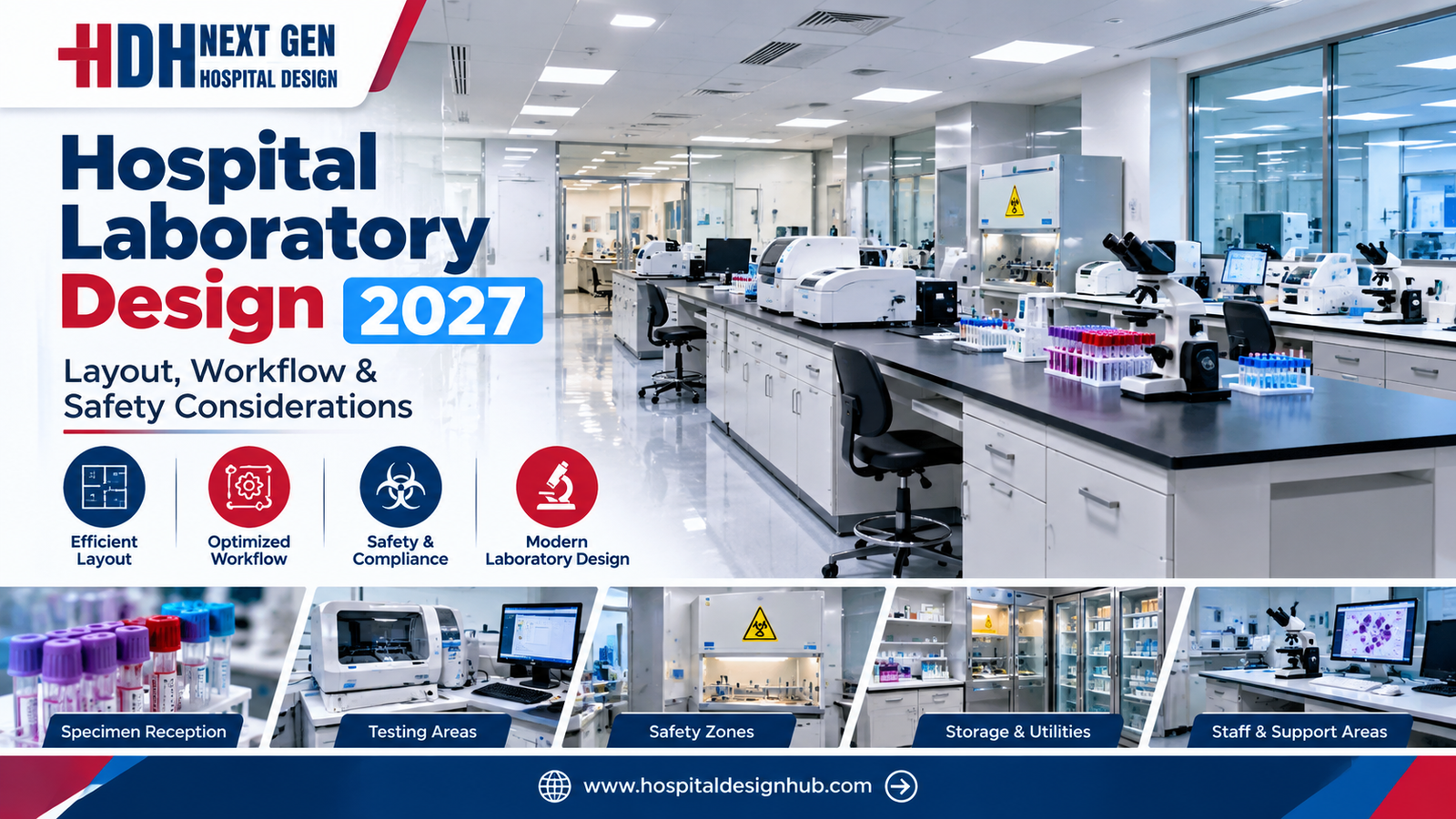
Hospital Laboratory Design 2027: Layout, Workflow & Safety Guide
< What Hospital Laboratory Design Really Involves Laboratory design sits at the intersection of clinical science, engineering, and regulatory compliance… The scope includes several interconnected elements… In Pakistan, the context adds specific demands… Designing for 2027 means anticipating trends… What

Hospital Kitchen & Laundry Planning: The Hidden Service Blocks
Hospital kitchen and laundry design: in-house vs outsourced, one-way workflow, zones, equipment, services, barrier washers, location and common mistakes.
Stroke Unit Design: Fast-Track Layout from ER to CT to ICU
Stroke unit design: fast-track pathway from ambulance to CT and treatment, acute stroke beds, rehabilitation spaces, accessibility and care models by hospital size.
Hospital Patient Room Design 2027: Space, Privacy & Functional Planning Guide
Hospital Patient Room Design 2027: Space, Privacy & Functional Planning Walk through any older hospital in Lahore or Karachi and you will notice it immediately: curtained-off beds in crowded wards, bathrooms down the corridor, no space for a family member

RO Water Plant Design for Dialysis Units
RO plant for dialysis: pre-treatment, carbon filtration, single vs double-pass RO, distribution loop design, sizing, plant room, testing and common mistakes.
KP Healthcare Commission Requirements for Clinics & Hospitals
KP Healthcare Commission requirements for clinics and hospitals: what the standards cover, common gaps in converted premises, KP-specific design issues and a licensing checklist.

Case Study: UOL Hospital Lahore
What projects at UOL Hospital Lahore and other private university teaching hospitals involve: master planning, clinical expansion, MEP infrastructure and phased construction.
Modular OT Panels vs Conventional OT Construction
Modular operation theatres in Pakistan vs conventional OT construction: materials, HVAC and laminar flow, cost drivers, OT size, supplier questions and commissioning.
Hospital Medical Waste Area & Incinerator Room Design
Hospital waste management design in Pakistan: waste types, regulations, segregation, dirty utilities, waste routes, central store design and on-site treatment options.
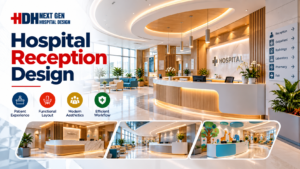
Hospital Reception & Waiting Area Design: Planning Guide for 2027
Hospital Reception & Waiting Area Design: 2027 Planning Guide Walk into any hospital in Lahore or Karachi and the first five minutes tell you everything. If the reception feels crowded, the signage confuses you, and the waiting chairs look like
MRI Room Design: RF Shielding, Quench Pipe & Magnet Delivery
MRI room design guide: scan, control and equipment rooms, safety zones, RF shielding, fringe field, quench pipe, structure, vibration, cooling and common mistakes.
Rented Building vs Purpose-Built Hospital: Which Is Right for You?
Rented building vs purpose-built hospital in Pakistan: cost, time, licensing, layout and lease risks compared, with a suitability checklist and a staged rent-then-build strategy.
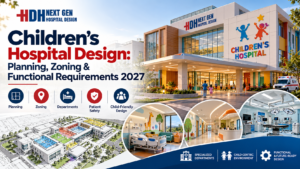
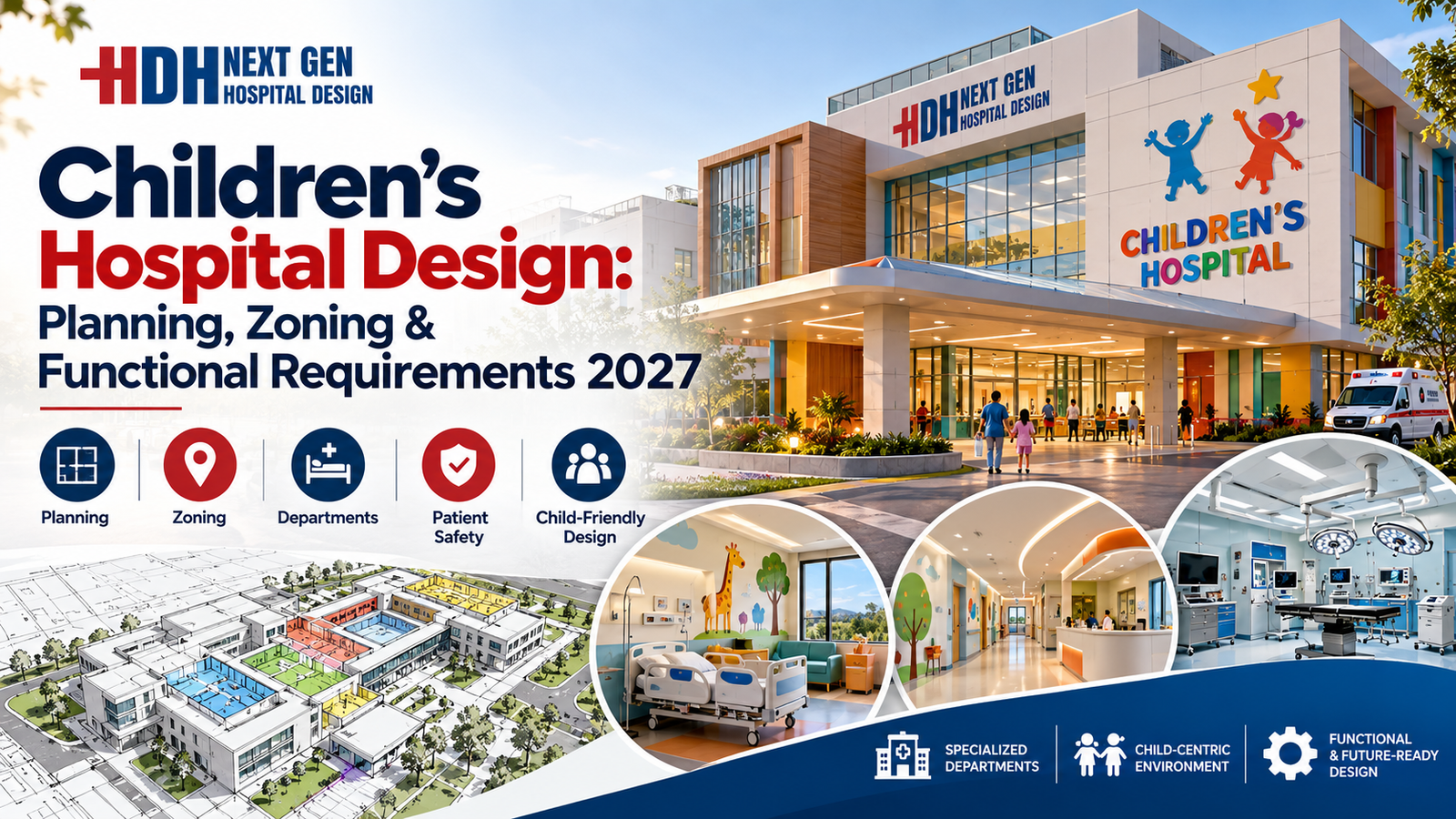
Childrenβs Hospital Design in Pakistan: Planning, Zoning & Requirements for 2027
Childrenβs Hospital Design in Pakistan for 2027 Building a hospital is complex. Building one for children is an entirely different challenge. In Pakistan, where healthcare demand is rising rapidly across cities like Lahore, Karachi, and Islamabad, the need for specialized

Sindh Healthcare Commission Licensing for New Hospitals
Sindh Healthcare Commission licensing explained for new hospitals and clinics: what the standards cover, how they affect design, readiness checklist and converting buildings in Karachi.
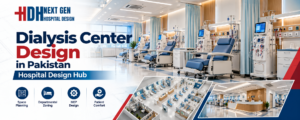
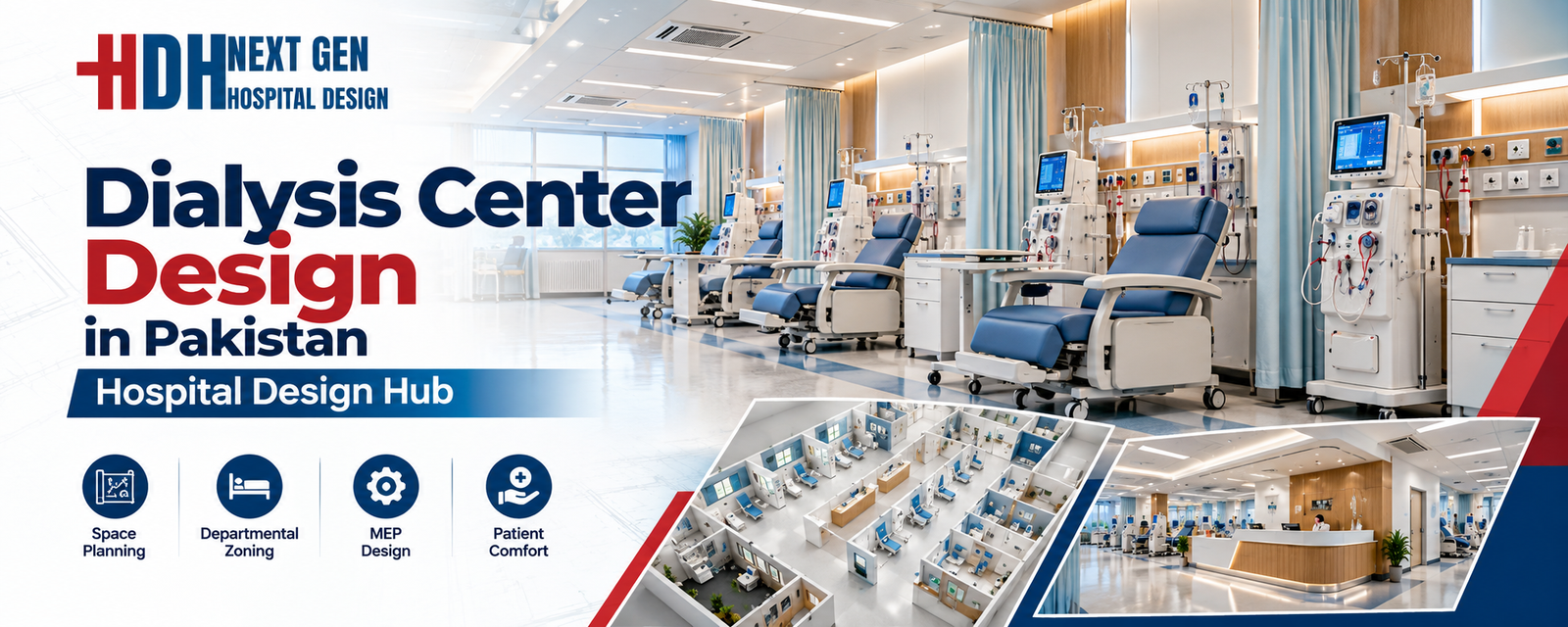
Dialysis Center Design in Pakistan | Hospital Design Hub
Dialysis Center Design in Pakistan: 2027 Planning Guide Imagine a patient in Lahore who needs haemodialysis three times a week, four hours per session, for years. The building they walk into every other day is not just a medical facility.
Burn Unit Design: Infection Control, Temperature & Layout
Burn unit design for Pakistani hospitals: burn ICU, wards, dressing and hydrotherapy rooms, burn OT, warm-room HVAC, infection control, capacity and common mistakes.

Case Study: KEMU / Mayo Hospital Works by Hospital Design Hub
What working at KEMU / Mayo Hospital Lahore involves: renovating a historic, high-volume teaching hospital, heritage buildings, infrastructure upgrades and phased construction.
Hospital Generator & UPS Backup Design for Load-Shedding
Hospital power backup in Pakistan: load classification, generator sizing and N+1 redundancy, ATS, UPS for OT and ICU, isolated power, fuel storage, solar and testing.