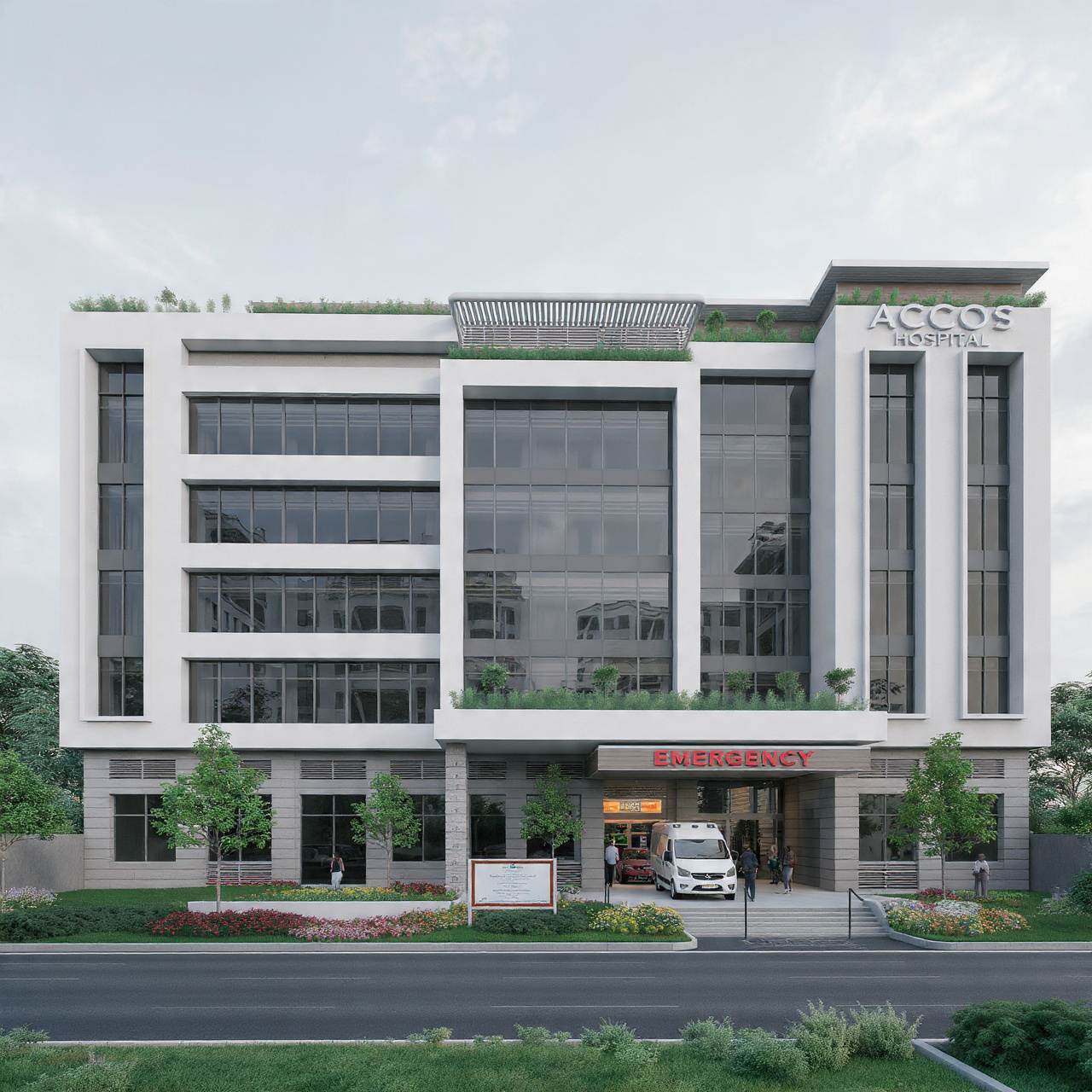
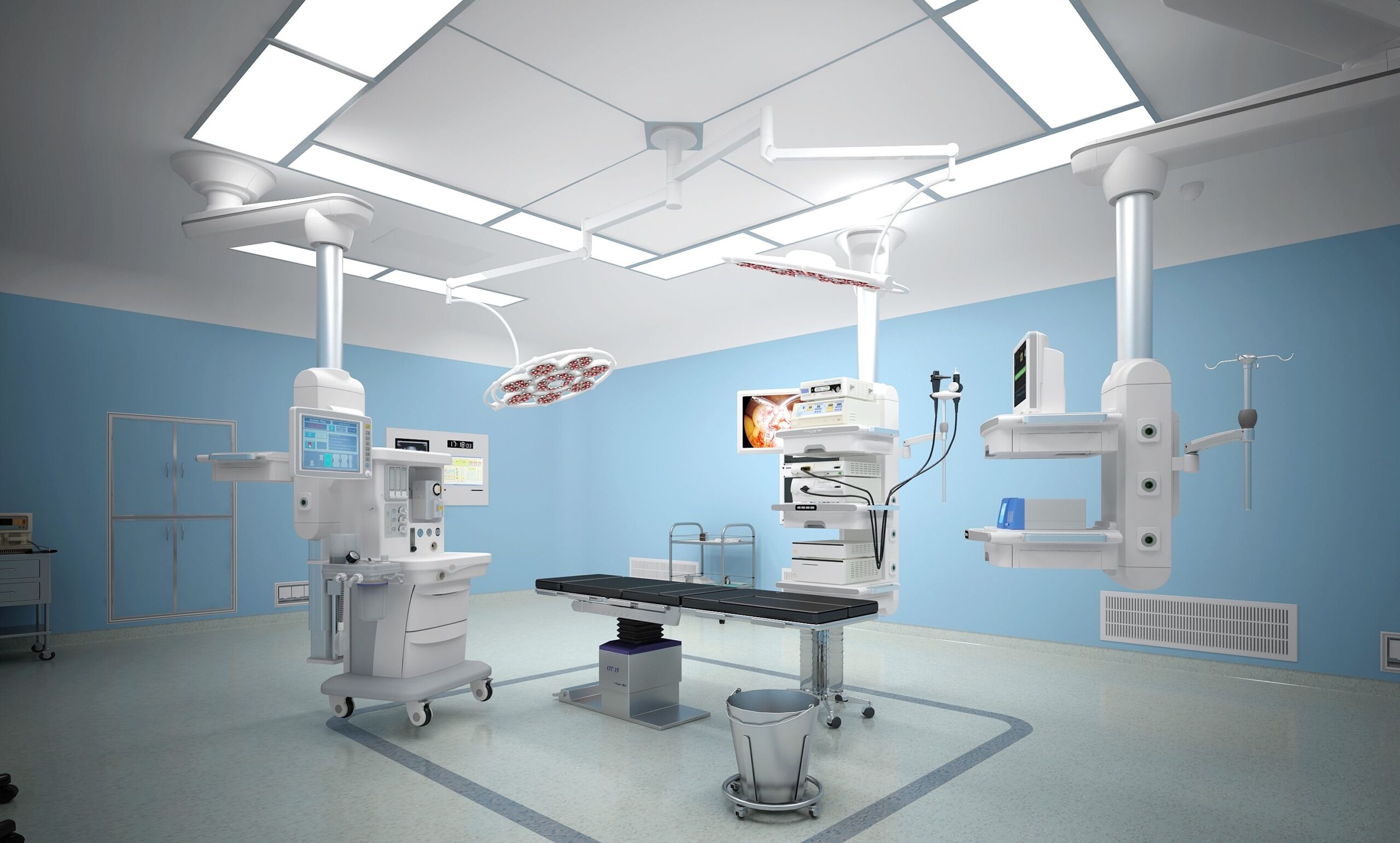
Designing Emergency Departments: Layouts that Save Lives
🏗 Introduction to ACCO Construction

ACCO Construction is Pakistan’s trusted name in healthcare architecture, engineering, and turnkey hospital construction. Based in Lahore, ACCO has decades of experience designing and building modern medical facilities, from primary health centers to tertiary-care hospitals.

With a team of architects, engineers, and planners, we specialize in hospital design, MEP services, modular construction, and healthcare interiors — ensuring every square foot is optimized for functionality, patient flow, and infection control.

In this article, we explore how thoughtful emergency department (ED) layouts can literally save lives — by improving patient flow, minimizing delays, and enabling staff to perform at their best.


🚑 Topic Introduction: Why Emergency Department Design Matters in Pakistan

The emergency department (ED) is the heart of every hospital — a place where seconds matter and efficiency saves lives. Unfortunately, many hospitals in Pakistan still struggle with congested layouts, poor zoning, and inefficient patient flow, which leads to overcrowding and slower response times.

An effective Emergency Department Design in Pakistan focuses on:

  • Streamlined triage and treatment zones

  • Clear circulation routes

  • Infection control and privacy

  • Rapid access to imaging and operating theatres

  • Staff safety and stress reduction

With the rise in population, urban accidents, and emergency case load, hospitals in cities like Lahore, Karachi, and Islamabad need EDs that can adapt quickly and operate efficiently — even under extreme pressure.


🏥 What Is an Emergency Department Layout?

An emergency department layout is the spatial organization of treatment areas, waiting zones, diagnostic spaces, and staff support areas — designed to optimize workflow and minimize patient waiting times.

A well-planned ED typically includes:

  1. Ambulance Entry & Drop-off Zone

  2. Triage Area

  3. Resuscitation Room

  4. Minor Treatment Bays

  5. Major Treatment Rooms

  6. Observation Area

  7. Nurses’ Station & Staff Support

  8. Radiology / Imaging Access

  9. Public Waiting Zone

  10. Clean & Dirty Utility Rooms


🧭 H2: Key Design Principles of Emergency Departments

1. Zoning for Functionality

The ED must be divided into public, clinical, and support zones:

  • Public Zone: Registration, waiting area, restrooms.

  • Clinical Zone: Triage, examination, treatment, resuscitation.

  • Support Zone: Staff rest areas, storage, utilities, and offices.

Efficient zoning reduces noise, confusion, and cross-contamination — enhancing both patient experience and staff performance.


2. Optimizing Patient Flow

The journey from entry to treatment must be smooth and intuitive:

  • Patients should move forward through care, not backward.

  • Separate ambulatory and stretcher pathways.

  • Minimize intersection between staff circulation and public movement.

  • Direct access from triage to resuscitation and diagnostics.

An efficient layout reduces waiting time and improves response during critical emergencies.


3. Infection Control Design

In Pakistan, infection control is a critical design element. Key strategies include:

  • Dedicated isolation rooms with negative pressure.

  • Separate HVAC zones for high-risk areas.

  • Touchless doors, hand hygiene stations, and anti-microbial finishes.

  • Easy-to-clean surfaces and adequate waste segregation zones.

A well-designed ED minimizes the risk of cross-infection — crucial during pandemics and infectious disease outbreaks.


4. Accessibility and Safety

The design must ensure easy access for ambulances, disabled patients, and visitors:

  • Direct ambulance-to-resus room access.

  • Ramps for wheelchairs and stretchers.

  • Fire safety exits, signage, and security checkpoints.

  • Adequate lighting and CCTV coverage.

Safety should never be compromised, whether for patients or healthcare staff.


5. Flexibility and Scalability

Modern emergency departments must handle surge capacity — during disasters, pandemics, or major accidents.

  • Design for expandable treatment zones.

  • Use modular partitions for temporary isolation wards.

  • Allocate space for future diagnostic or triage upgrades.

Flexibility ensures resilience in emergencies — a vital factor for Pakistan’s growing healthcare needs.


📊 H2: Comparison Table — Traditional vs. Modern ED Layouts

FeatureTraditional EDModern, Efficient ED
Patient FlowLinear, congestedStreamlined, circular flow
PrivacyLimited partitionsIndividual treatment bays
Infection ControlReactiveBuilt-in preventive zoning
Imaging AccessDistantIntegrated or adjacent
Staff MovementUnplannedOptimized for workflow
ScalabilityFixedModular and adaptable

💡 H2: Design Methods & Tools Used by ACCO

1. Evidence-Based Design (EBD)

ACCO uses international best practices to ensure data-driven design decisions — reducing medical errors and improving patient recovery.

2. Lean Healthcare Design

Eliminates waste in movement and processes — improving patient turnaround time.

3. 3D BIM Modelling

Every ACCO emergency department project uses BIM (Building Information Modeling) to visualize spaces and detect clashes before construction.

4. Simulation-Based Layout Testing

Our architects simulate patient and staff movement using flow analysis software — ensuring the best possible configuration.

5. Modular Construction Techniques

ACCO’s modular healthcare units allow faster project delivery and flexible expansions, especially in emergency healthcare setups.


🧩 H2: Important Functional Zones in an Emergency Department

1. Triage Zone

Where patients are categorized by urgency. Must be visible from the entrance and near the nurses’ station.

2. Resuscitation Area

Requires direct ambulance access, large open layout, and immediate connection to diagnostic imaging and operating theatres.

3. Minor Treatment Rooms

For small injuries and non-critical cases — designed for privacy and infection control.

4. Observation Area

Where patients await results or short-term monitoring. Comfortable and easily supervised.

5. Diagnostic Zone

Includes X-ray, CT, and ultrasound — ideally integrated within or adjacent to the ED.

6. Staff Support Area

Restrooms, lockers, pantry, and admin areas — improving staff satisfaction and performance.


📈 H2: Trends in Emergency Department Design (Pakistan & Global)

  • Telemedicine Integration: Virtual triage stations for faster pre-assessment.

  • Smart Wayfinding: Digital signboards for patients and families.

  • Green Design: Natural light and ventilation to enhance healing and reduce stress.

  • Acoustic Control: Noise reduction systems to calm patients and staff.

  • Energy Efficiency: LED lighting, efficient HVAC, and water recycling systems.


⚖️ H2: Pros and Cons

Advantages of Efficient ED Design

  • Reduces patient waiting and treatment time.

  • Improves workflow efficiency.

  • Enhances infection control and patient privacy.

  • Increases staff productivity.

  • Supports future expansion and technology upgrades.

  • Saves lives by reducing delays in critical treatment.

⚠️ Disadvantages / Challenges

  • Higher initial planning cost.

  • Requires skilled architects and medical planners.

  • Needs coordination with hospital administration for functional input.

  • Implementation delays due to regulatory approvals.


❓ H2: Frequently Asked Questions (FAQs)

Q1: What is the ideal size of an emergency department?
A: The ideal size depends on patient volume. Generally, 0.8–1.2 beds per 1,000 annual visits is a good ratio for Pakistan’s mid-sized hospitals.

Q2: How can hospitals in Pakistan improve patient flow?
A: By adopting zoned layouts, digital triage, and separate circulation routes for staff and patients — ensuring quick movement and minimal congestion.

Q3: What standards are followed for ED design in Pakistan?
A: Hospitals must comply with Pakistan Health Commission (PHC), IHRA, and NBCP standards, along with international guidelines like FGI and AIA.

Q4: Can modular construction be used for emergency departments?
A: Yes, ACCO Engineering offers modular and prefab healthcare units that allow rapid installation and scalability — ideal for urgent hospital expansions.

Q5: How does design impact patient survival in emergencies?
A: Efficient design reduces the “door-to-needle time” for critical patients (like heart attack or trauma victims), directly increasing survival rates.


🧱 H2: Internal & External Links

Internal Links:

External Links (High-Authority Sources):


🏁 H2: Final Verdict / Conclusion

A well-designed Emergency Department is not just about architecture — it’s about saving lives. By integrating zoning, efficient patient flow, infection control, and modular flexibility, hospitals can drastically improve patient outcomes and staff efficiency.

In Pakistan, where emergency healthcare systems are under immense pressure, smart, evidence-based design is no longer optional — it’s essential.

With its proven expertise in hospital architecture, MEP systems, and turnkey construction, ACCO Construction stands ready to design and build your next-generation Emergency Department — one that truly saves lives.


📞 Call to Action (CTA)

Ready to design a life-saving Emergency Department for your hospital?
👉 Contact ACCO today for a free consultation!

📱 Phone / WhatsApp: +92 322 8000190
📧 Email: info@acco.com.pk
🌐 Website: www.acco.com.pk


🏷️ 20 SEO Tags

Emergency department design Pakistan, hospital emergency room layout, ACCO Construction, healthcare architecture Lahore, efficient ER design, hospital planning Pakistan, emergency department workflow, modular hospital construction, patient-centered design, hospital architecture Pakistan, trauma center design, healthcare design consultants, modern hospital layouts, medical facility planning, emergency room renovation, hospital space optimization, evidence-based healthcare design, MEP design for hospitals, turnkey hospital construction Pakistan, functional emergency department design

Hospital Construction Company in Sialkot 2026 | ACCO

Hospital Construction Company in Sialkot 2026 | ACCO 🏥 Hospital Construction Company in Sialkot 2026 | ACCO Construction 🏗️ Introduction – Hospital Construction Company in Sialkot 2026 If you are planning to build a healthcare facility, choosing the right Hospital

Read More »

Leading Hospital Builders in Bahawalpur 2026 | ACCO

Introduction – Hospital Builders in Bahawalpur If you are searching for reliable Hospital Builders in Bahawalpur, ACCO Construction is one of the most trusted names in Pakistan. With over 10 years of experience in healthcare construction, ACCO specializes in designing

Read More »

Healthcare Facility Design & Build in Peshawar 2026 | ACCO

Healthcare Facility Design & Build Peshawar 2026 | ACCO Construction Introduction Healthcare Facility Design & Build Peshawar 2026 is becoming one of the most important requirements in Pakistan’s growing healthcare sector. Cities like Peshawar need modern hospitals, clinics, and diagnostic

Read More »

Modern Hospital Design Services in Multan 2026 | ACCO

Modern Hospital Design Services in Multan 2026 | ACCO Construction Modern Hospital Design Services in Multan 2026 are transforming healthcare infrastructure by introducing efficient layouts, smart systems, and patient-centered environments. As Multan grows, modern hospitals are becoming a necessity for

Read More »

Turnkey Hospital Design & Construction in Faisalabad | ACCO

Introduction to ACCO Construction Turnkey Hospital Design & Construction in Faisalabad is essential for developing modern healthcare facilities that meet international standards. ACCO Construction, based in Lahore, is a leading company specializing in hospital construction, engineering, and turnkey solutions across

Read More »

Turnkey Hospital Design & Construction in Faisalabad 2026 | ACCO

Turnkey Hospital Design & Construction in Faisalabad | ACCO 🏥 Turnkey Hospital Design & Construction in Faisalabad | ACCO Construction Introduction Turnkey Hospital Design & Construction in Faisalabad is essential for developing modern healthcare facilities that meet international standards. Faisalabad

Read More »

Hospital Architecture Mistakes in Pakistan | ACCO

Hospital Architecture Mistakes in Pakistan | ACCO 🏥 Hospital Architecture Mistakes in Pakistan | ACCO 🏢 Introduction to ACCO ACCO is one of Pakistan’s leading experts in hospital architecture in Pakistan, helping clients avoid costly hospital architecture mistakes in Pakistan

Read More »

Modern Outpatient Facility Design in Pakistan | ACCO

Modern Outpatient Facility Design Pakistan | ACCO Modern Outpatient Facility Design in Pakistan | ACCO Introduction to ACCO ACCO is a leading provider of modern outpatient facility design in Pakistan, offering innovative healthcare planning and design solutions. Based in Lahore,

Read More »

Emerging Trends in Hospital Design in Pakistan | ACCO

Hospital Design in Pakistan | ACCO Emerging Trends in Hospital Design in Pakistan | ACCO 🏢 Introduction to ACCO ACCO is a leading provider of hospital design in Pakistan, healthcare planning, and facilities management solutions. Based in Lahore, ACCO has

Read More »

The Future of Healthcare Infrastructure: What to Expect After 2026

Hospital Construction in Pakistan | ACCO Construction Experts Hospital Construction in Pakistan – Complete Healthcare Infrastructure Guide Introduction Hospital Construction in Pakistan has become increasingly critical due to the rising population, urbanization, and growing demand for quality healthcare facilities. Modern

Read More »

Post a Comment