
Essential Factors in Hospital Design & Construction Feasibility in Pakistan | ACCO Construction
Diagnostic Lab & Collection Centre Setup Guide (Space, Cost, Licensing)
Lab collection centre setup in Pakistan: collection centre vs full lab, space, layout, lab sections, power and HVAC, indicative costs, licensing and common mistakes.

Elderly Care & Geriatric Facility Design in Pakistan
Elderly care facility design in Pakistan: facility types, fall prevention, resident rooms, dementia-friendly design, communal and cultural spaces, and healthcare support.
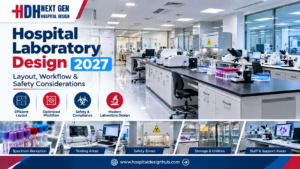
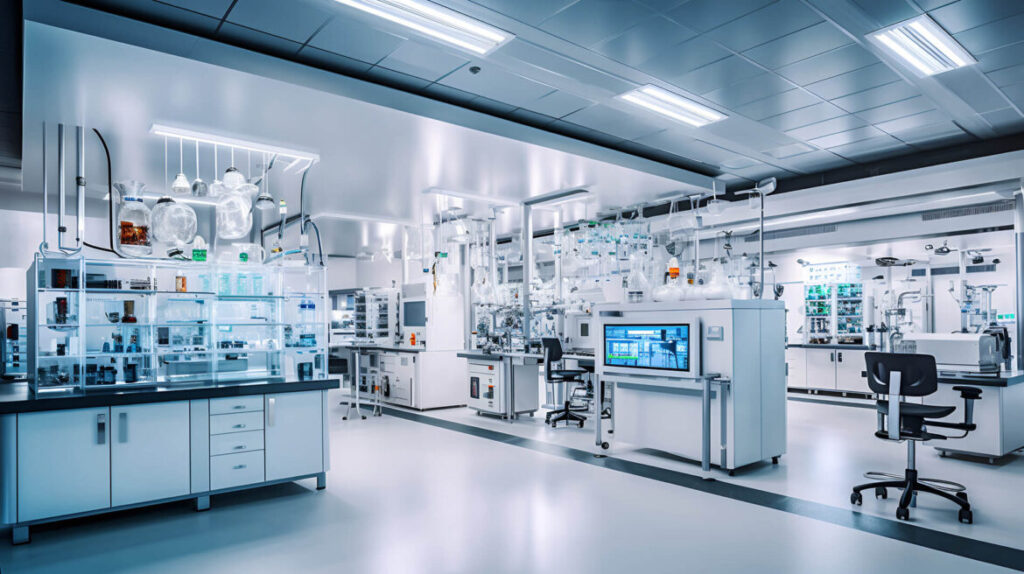
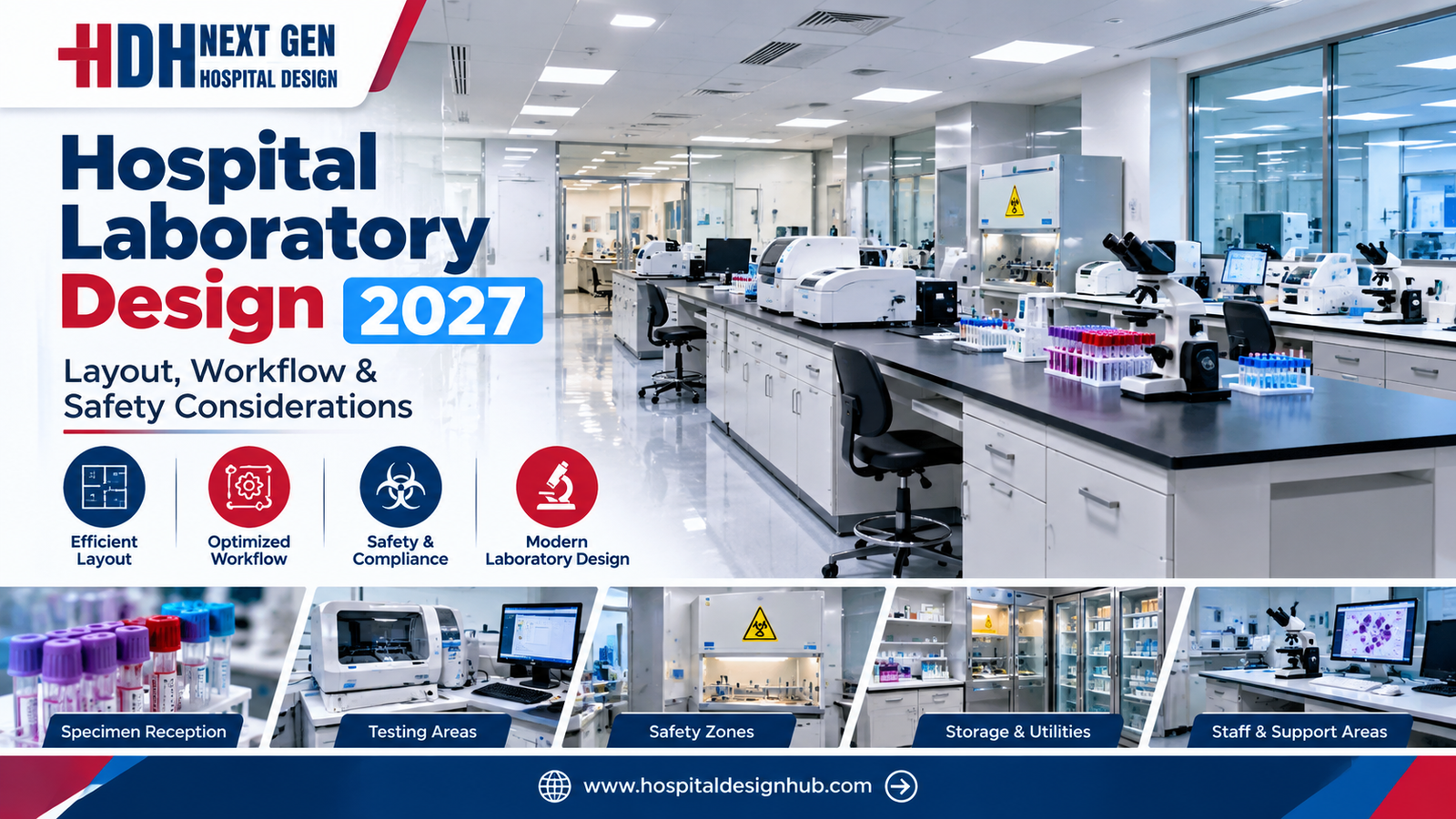
Hospital Laboratory Design 2027: Layout, Workflow & Safety Guide
< What Hospital Laboratory Design Really Involves Laboratory design sits at the intersection of clinical science, engineering, and regulatory compliance… The scope includes several interconnected elements… In Pakistan, the context adds specific demands… Designing for 2027 means anticipating trends… What

Hospital Kitchen & Laundry Planning: The Hidden Service Blocks
Hospital kitchen and laundry design: in-house vs outsourced, one-way workflow, zones, equipment, services, barrier washers, location and common mistakes.
Stroke Unit Design: Fast-Track Layout from ER to CT to ICU
Stroke unit design: fast-track pathway from ambulance to CT and treatment, acute stroke beds, rehabilitation spaces, accessibility and care models by hospital size.
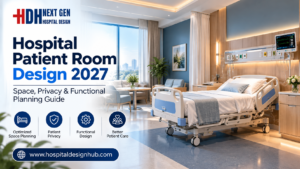
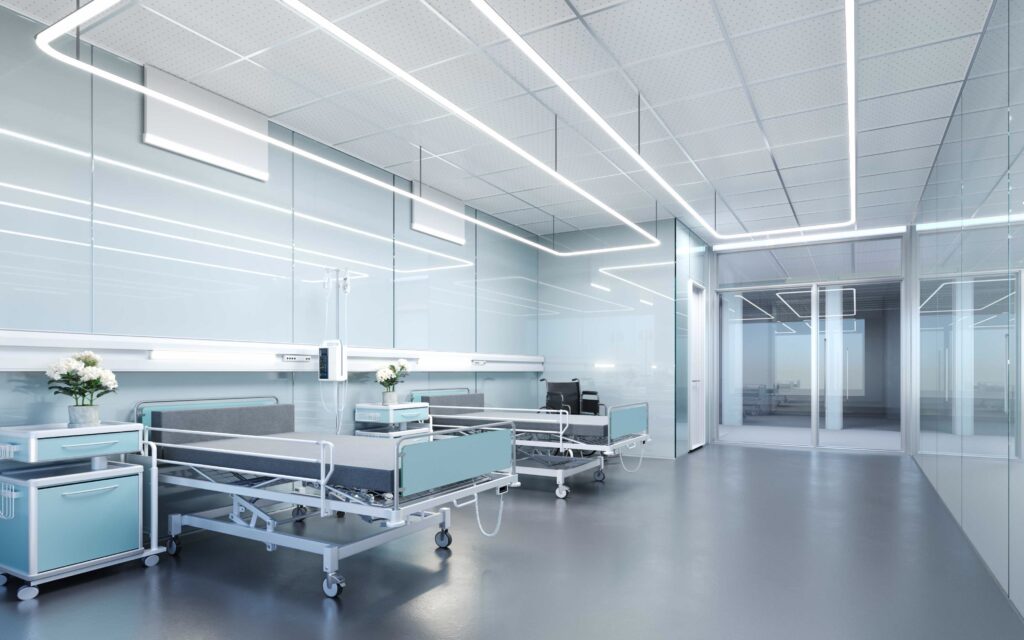
Hospital Patient Room Design 2027: Space, Privacy & Functional Planning Guide
Hospital Patient Room Design 2027: Space, Privacy & Functional Planning Walk through any older hospital in Lahore or Karachi and you will notice it immediately: curtained-off beds in crowded wards, bathrooms down the corridor, no space for a family member

RO Water Plant Design for Dialysis Units
RO plant for dialysis: pre-treatment, carbon filtration, single vs double-pass RO, distribution loop design, sizing, plant room, testing and common mistakes.
KP Healthcare Commission Requirements for Clinics & Hospitals
KP Healthcare Commission requirements for clinics and hospitals: what the standards cover, common gaps in converted premises, KP-specific design issues and a licensing checklist.

Case Study: UOL Hospital Lahore
What projects at UOL Hospital Lahore and other private university teaching hospitals involve: master planning, clinical expansion, MEP infrastructure and phased construction.

Modular OT Panels vs Conventional OT Construction
Modular operation theatres in Pakistan vs conventional OT construction: materials, HVAC and laminar flow, cost drivers, OT size, supplier questions and commissioning.
Hospital Medical Waste Area & Incinerator Room Design
Hospital waste management design in Pakistan: waste types, regulations, segregation, dirty utilities, waste routes, central store design and on-site treatment options.
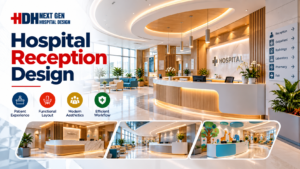
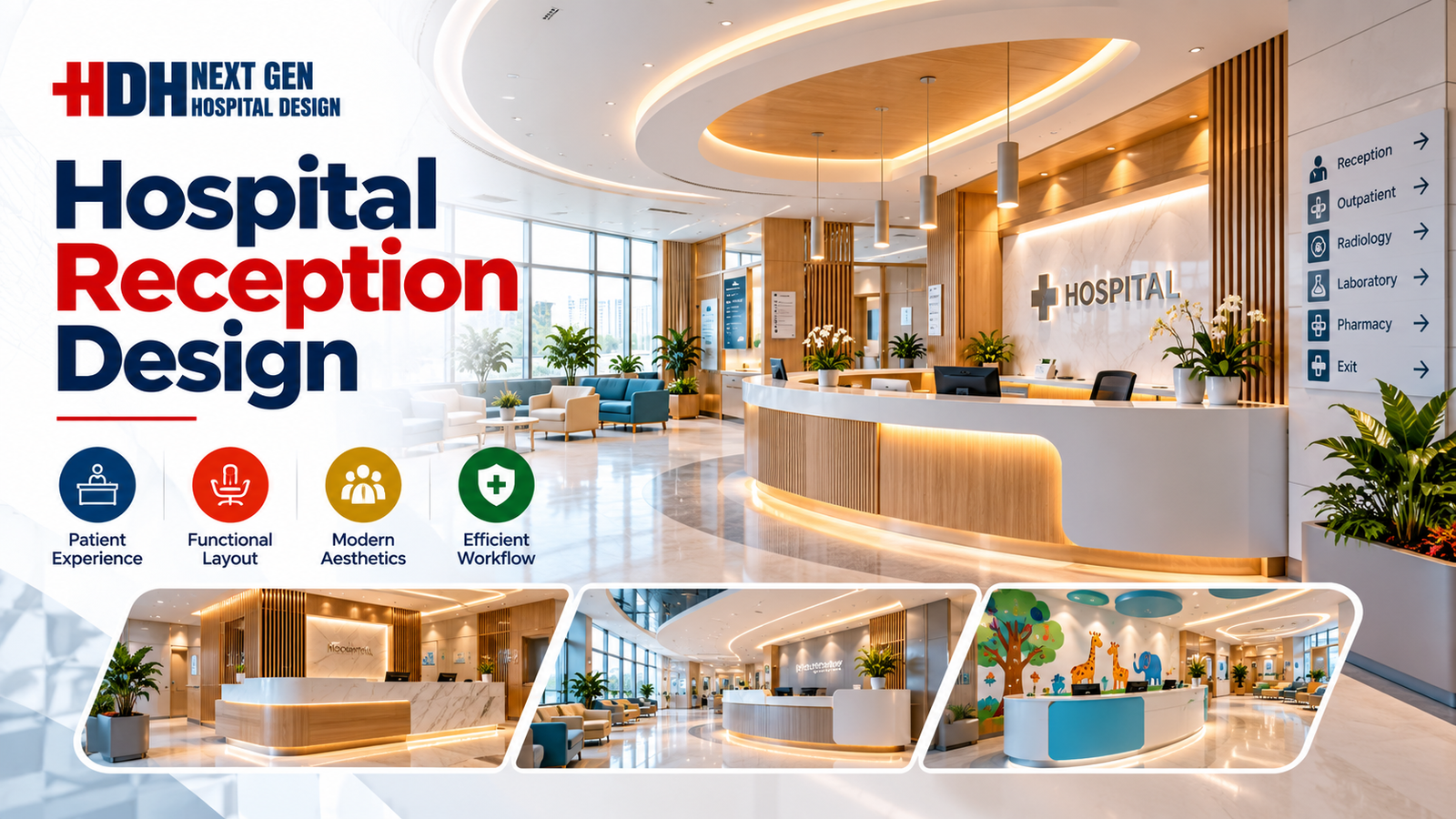
Hospital Reception & Waiting Area Design: Planning Guide for 2027
Hospital Reception & Waiting Area Design: 2027 Planning Guide Walk into any hospital in Lahore or Karachi and the first five minutes tell you everything. If the reception feels crowded, the signage confuses you, and the waiting chairs look like
MRI Room Design: RF Shielding, Quench Pipe & Magnet Delivery
MRI room design guide: scan, control and equipment rooms, safety zones, RF shielding, fringe field, quench pipe, structure, vibration, cooling and common mistakes.
Rented Building vs Purpose-Built Hospital: Which Is Right for You?
Rented building vs purpose-built hospital in Pakistan: cost, time, licensing, layout and lease risks compared, with a suitability checklist and a staged rent-then-build strategy.
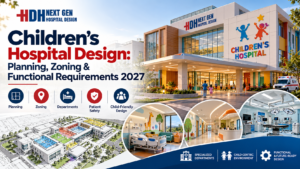
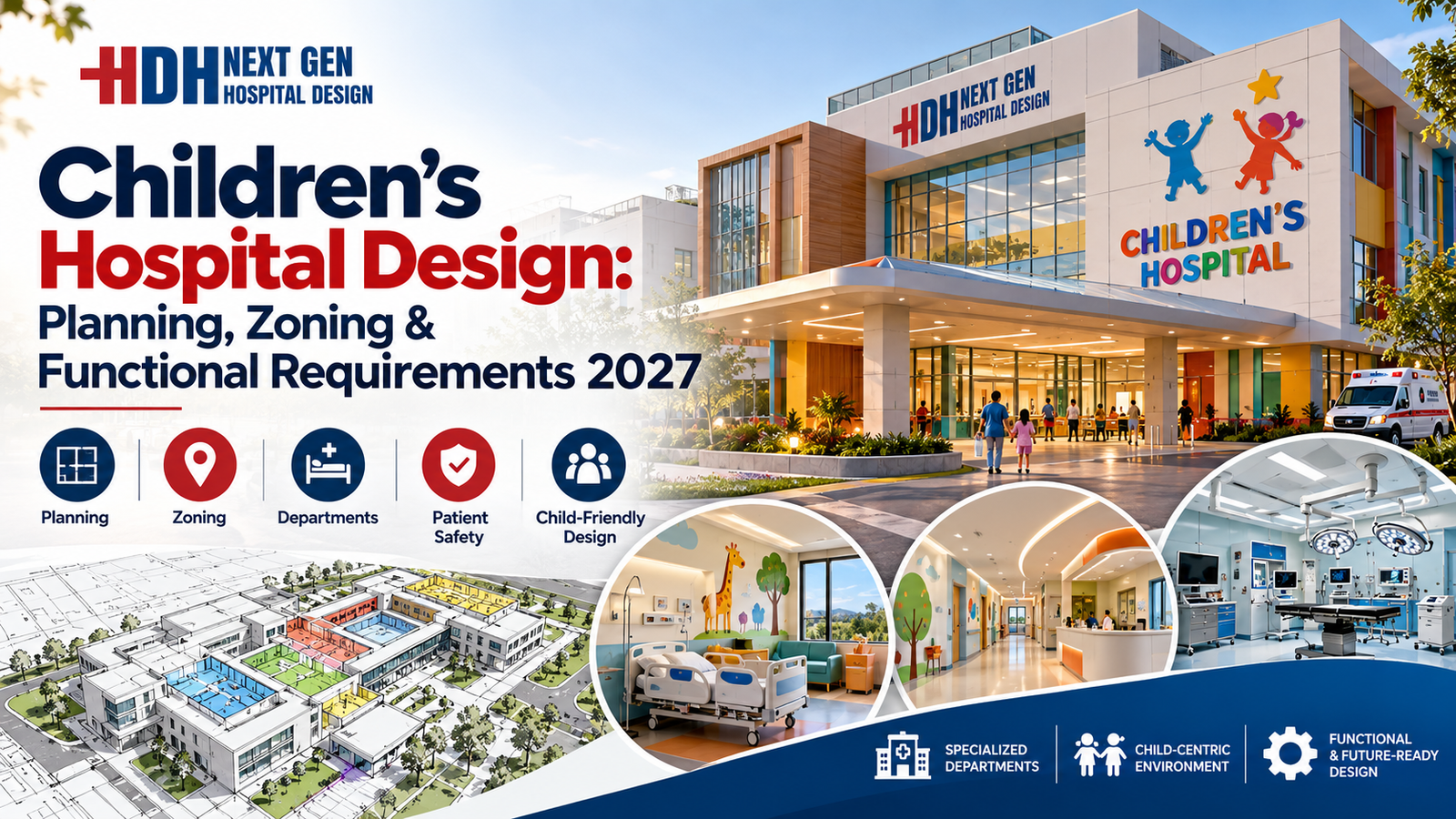
Children’s Hospital Design in Pakistan: Planning, Zoning & Requirements for 2027
Children’s Hospital Design in Pakistan for 2027 Building a hospital is complex. Building one for children is an entirely different challenge. In Pakistan, where healthcare demand is rising rapidly across cities like Lahore, Karachi, and Islamabad, the need for specialized
Sindh Healthcare Commission Licensing for New Hospitals
Sindh Healthcare Commission licensing explained for new hospitals and clinics: what the standards cover, how they affect design, readiness checklist and converting buildings in Karachi.
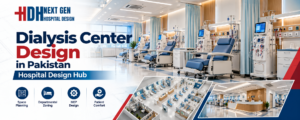
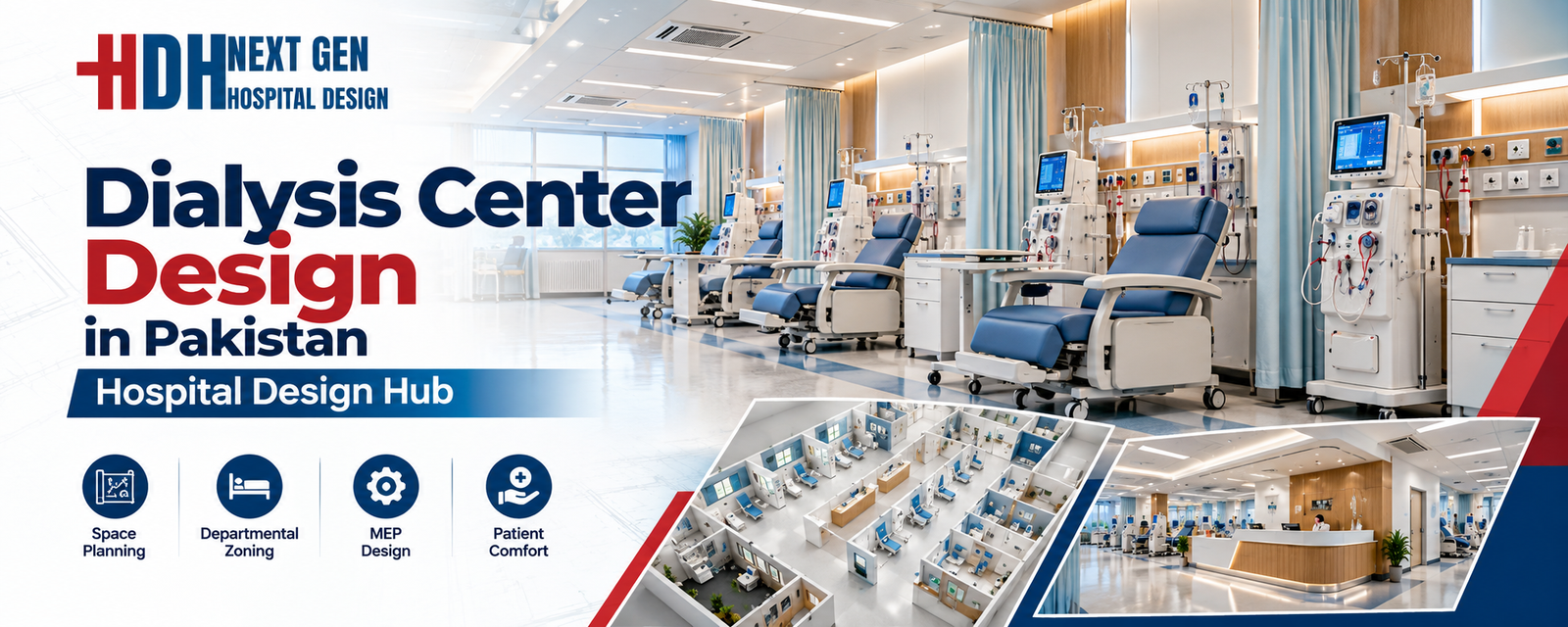
Dialysis Center Design in Pakistan | Hospital Design Hub
Dialysis Center Design in Pakistan: 2027 Planning Guide Imagine a patient in Lahore who needs haemodialysis three times a week, four hours per session, for years. The building they walk into every other day is not just a medical facility.
Burn Unit Design: Infection Control, Temperature & Layout
Burn unit design for Pakistani hospitals: burn ICU, wards, dressing and hydrotherapy rooms, burn OT, warm-room HVAC, infection control, capacity and common mistakes.

Case Study: KEMU / Mayo Hospital Works by Hospital Design Hub
What working at KEMU / Mayo Hospital Lahore involves: renovating a historic, high-volume teaching hospital, heritage buildings, infrastructure upgrades and phased construction.
Hospital Generator & UPS Backup Design for Load-Shedding
Hospital power backup in Pakistan: load classification, generator sizing and N+1 redundancy, ATS, UPS for OT and ICU, isolated power, fuel storage, solar and testing.
Hospital Reception & Waiting Area Design: Planning Guide for 2027