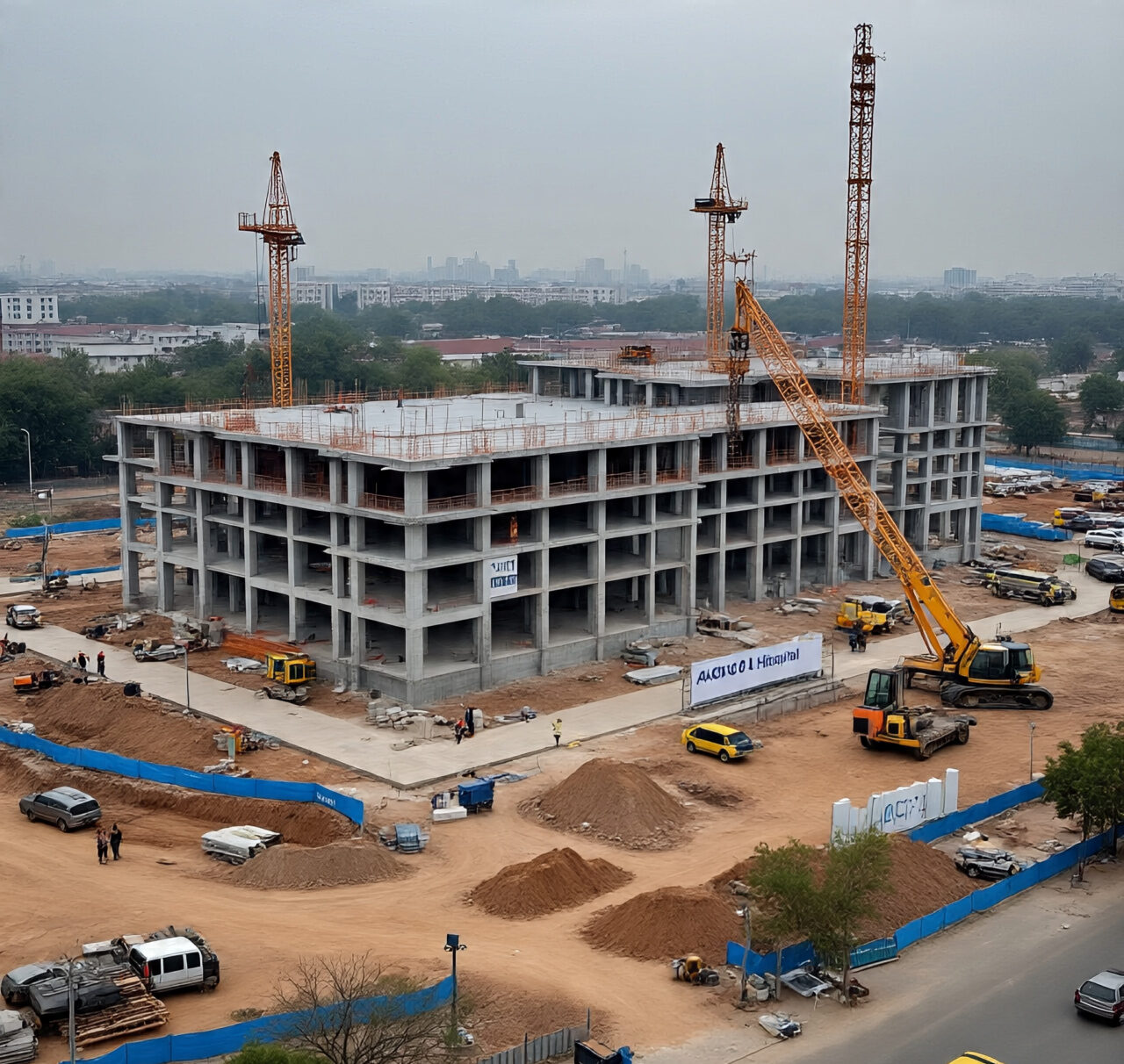
How to Plan & Construct a Modern Hospital in Lahore – Complete 2026 Guide | ACCO Construction
How to Plan & Construct a Modern Hospital in Lahore
Hospital Construction in Lahore is a high-impact investment that blends architecture, engineering, healthcare regulations, and modern technology. Whether you’re planning a 50-bed specialty clinic or a 500-bed tertiary care center, this complete guide walks you through every step — from feasibility and design to MEP, equipment integration, and final commissioning. ACCO Construction provides turnkey hospital solutions across Lahore and Pakistan, combining local regulatory knowledge with international best practices.
Introduction — Why Modern Hospitals Matter in Lahore
Lahore is Pakistan’s second largest city and a growing healthcare hub. Rising patient demand, expanding private healthcare, and the need for specialized services (ICU, trauma, oncology, cardiac care) make modern, resilient, and efficient hospitals essential. Building a hospital is not only a construction project — it’s a long-term contribution to community health and economic development.
About ACCO Construction
ACCO Construction is a Lahore-based engineering and construction firm offering architectural planning, structural engineering, MEP systems, medical gas installations, and turnkey hospital delivery. With experience across residential, commercial and healthcare sectors, ACCO specializes in projects in DHA, Bahria Town, Johar Town, Gulberg and industrial zones across Pakistan.
Overview: The Hospital Construction Process (At a Glance)
- Feasibility Study & Market Analysis
- Site Selection & Regulatory Approvals
- Architectural Design & Space Programming
- Structural Engineering & Seismic Design
- MEP (HVAC, Electrical, Plumbing, Medical Gases)
- Infection Control & Safety Systems
- Interior Finishes & Equipment Integration
- Commissioning, Testing & Staff Training
1. Feasibility Study & Business Case
Before any design work begins, a feasibility study confirms demand, financing, and operational viability. A proper feasibility includes:
- Demographic and catchment area analysis (population, age groups, disease burden)
- Competitor survey (nearby hospitals, private clinics)
- Projected patient volumes (OPD, IPD, ER, ICU)
- Service mix (general medicine, surgery, maternity, diagnostics, specialized units)
- Financial projections and ROI estimates
- Funding options (private equity, bank loans, public-private partnerships)
Tip: ACCO often prepares feasibility reports that include capital vs. operating expenditure scenarios and estimated payback periods for different bed-count models.
2. Site Selection & Regulatory Approvals
Choosing the right site within Lahore influences accessibility, cost, and compliance. Key considerations:
- Accessibility — main roads, ambulance routes, public transport
- Topography — level ground, flood risk, drainage
- Utilities — water supply, sewerage, electricity grid capacity
- Parking and future expansion zones
- Local bylaws — Lahore Development Authority (LDA) rules and zoning
Mandatory approvals: LDA permissions, Punjab Healthcare Commission (PHC) guidelines, civil defence, and EPA clearances (if applicable).
3. Architectural Design & Space Programming
A functional hospital design organizes clinical flow to minimize patient movement and reduce infection risk. The design must address:
- Separate flows for patients, staff, supplies and waste
- Clear signage and wayfinding
- Patient-centered rooms with access to daylight and views
- Operational adjacencies (e.g., OTs near sterilization and recovery)
Typical Hospital Zones (by function)
- Emergency & Trauma — ambulance bays, triage, resuscitation
- Outpatient Department (OPD) — consultation rooms, waiting lounges
- Inpatient Wards — general wards, private rooms
- Critical Care — ICU, CCU, NICU
- Operating Theatres — modular OTs with scrub and sterile cores
- Diagnostics — radiology, labs, endoscopy
- Support — pharmacy, CSSD, kitchens, laundry
- Administration — admin offices, records, staff rooms
 4. Structural & Seismic Considerations
 Hospitals must be structurally robust due to heavy loads (medical equipment) and the critical nature of continuous operation.
- Use RCC or composite structural systems suitable for local soil and seismic zones.
- Special vibration control for MRI/CT rooms — isolated slabs, floating floors where required.
- Design for future vertical expansion where site and approvals permit.
5. MEP: Mechanical, Electrical & Plumbing (The Hospital Backbone)
MEP is the central nervous system of a hospital. Proper design ensures safety, reliability and low life-cycle costs.
HVAC (Heating, Ventilation & Air Conditioning)
- HEPA filtration and controlled-pressure rooms (positive for ORs, negative for isolation).
- Chilled-water systems or VRF depending on scale and efficiency goals.
- Separate air handling units (AHUs) for critical zones: OTs, ICU, labs.
Electrical Systems & Power Backup
- Redundant power lines, generators sized for full-load critical systems.
- UPS for life-critical equipment (ventilators, monitors, lab analyzers).
- Medical-grade earthing and isolated power for operating theatres where required.
Plumbing & Medical Gases
- Reliable hot-water systems and hot-water recirculation loops at clinical zones.
- Medical gas pipeline systems for oxygen, nitrous oxide, medical air and vacuum.
- RO water treatment for labs, dialysis and sterilizers.
6. Infection Prevention & Control
Infection control is a design, materials and operational strategy:
- Separate clean and dirty corridors, clear waste management routes
- Antimicrobial surfaces, seamless flooring, wall cladding that can be disinfected
- Negative pressure isolation rooms for airborne infections
- Proper segregation and handling of biomedical waste in accordance with regulations
7. Interior Finishes & Patient Experience
Hospital finishes must balance hygiene, durability and patient comfort:
- Vinyl or seamless flooring for clinical areas
- Hygienic wall panels, washable paints
- Acoustic ceilings to reduce noise
- Natural light, comfortable waiting areas and privacy in wards
 8. Medical Equipment & Technology Integration
 Equipment selection must be coordinated with structural slab loads, MEP capacities and space. Consider:
- Imaging suites: X-Ray, CT, MRI — require shielding and vibration control
- Operation theatre suites: modular ORs with integrated booms, lights, and gas/vent systems
- Central monitoring systems for ICU and telemetry
- Hospital Information System (HIS), PACS for radiology, and digital appointment/OPD systems
9. Typical Project Timeline
While timelines vary by project scale, a common schedule is shown below:
| Phase | Estimated Duration |
|---|---|
| Feasibility Study & Business Plan | 1–2 months |
| Design & Approvals | 2–4 months |
| Grey Structure | 6–10 months |
| MEP & Shell Completion | 4–6 months |
| Finishes & Equipment Installation | 3–6 months |
| Commissioning & Staff Training | 1–2 months |
| Total | 18–24 months (typical) |
10. Cost Considerations & Budget Estimates
Costs vary by specification, bed count and equipment. Indicative ranges (subject to market conditions):
- Grey structure: PKR 3,000–4,500 per sq ft
- Finishing: PKR 4,000–7,500 per sq ft
- MEP & medical gases: PKR 2,000–4,000 per sq ft
- Special equipment & imaging: Variable — depends on imported machinery
These are high-level numbers; ACCO provides a detailed Bill of Quantities (BOQ) and cost plan after the feasibility phase.
Pros & Cons of Building a Modern Hospital in Lahore
Pros
- Long-term societal impact and strong demand
- Potential for stable revenue and diversified services
- Opportunities for PPP and donor funding for certain specialties
- Brand value and community trust for high-quality providers
Cons
- High capital expenditure and long payback periods
- Complex regulatory and licensing requirements
- Need for continuous investment in equipment and trained staff
- Operational complexity and high maintenance demands
Frequently Asked Questions (FAQs)
1. How long does hospital construction take in Lahore?
Typical projects take 18–24 months from feasibility to commissioning for medium-sized hospitals. Exact time depends on approvals, site conditions and procurement timelines.
2. What approvals are required to build a hospital?
Common approvals include local building permissions (LDA), Punjab Healthcare Commission (PHC) licensing, civil defence, and environmental clearances if applicable. ACCO can manage approvals as part of a turnkey contract.
3. How important is MEP design for hospitals?
MEP is critical — it supports life-saving systems (ventilators, oxygen supply), maintains infection control (HVAC), and ensures uninterrupted power. Poor MEP design can severely impact patient care quality.
4. Can ACCO provide turnkey hospital services?
Yes. ACCO Construction provides full turnkey delivery: feasibility, design, structure, MEP, medical gas systems, equipment coordination, finishing, commissioning and staff training.
5. What are key design trends for modern hospitals?
Current trends include modular OTs, telemedicine-ready spaces, digital HIS/PACS, patient-centric rooms with natural light, energy-efficient façades and flexible ward layouts for surge capacity.
Authoritative & Helpful External Resources
- Punjab Healthcare Commission (PHC)
- World Health Organization (WHO)
- DAWN (Healthcare News & Trends)
- ArchDaily — Hospital Design Trends
Suggested Internal Links (Add the correct URLs in WordPress)
- House Construction in DHA Lahore — (example internal link)
- Commercial Plaza Builders Lahore — (example internal link)
- ACCO Engineering – Healthcare Services — (example internal link)
SEO & Content Notes (for Editor)
Primary keyword Hospital Construction in Lahore appears in the title, first paragraph and several H2/H3 headings. Maintain short paragraphs and use transition phrases (e.g., “in addition”, “therefore”, “for example”). Add the featured image and alt text. Replace all src placeholders with uploaded media URLs when publishing.
Conclusion — Final Verdict
Building a modern hospital in Lahore is a significant but rewarding endeavor. Success requires an integrated approach that combines accurate feasibility, code-compliant design, robust MEP systems, infection control and modern technology. ACCO Construction delivers turnkey hospital projects with experienced architects, engineers and project managers to ensure safety, quality and on-time delivery.
Call to Action
If you are planning Hospital Construction in Lahore, Contact ACCO Construction for a free consultation, feasibility study and preliminary budget:
- Phone / WhatsApp: 0322-8000190
- Email: info@acco.com.pk
- Website: www.accoengineering.com
Request our hospital brochure and sample BOQ to get started — ACCO will tailor the plan to your budget, site and service goals.

Shaukat Khanum Memorial Cancer Hospital Design & Construction Key Lessons for Pakistan’s Healthcare Infrastructure
Shaukat Khanum Memorial Cancer Hospital Design & Construction: Lessons for Pakistan Shaukat Khanum Hospital Design & Construction is widely regarded as a benchmark for healthcare infrastructure in Pakistan. The hospital has set new standards in patient-centered planning, medical architecture, and
Step-by-Step Hospital Construction Plan & Architecture Design in Pakistan By ACCO Construction – Experts in Healthcare Infrastructure
Step-by-Step Hospital Construction Plan & Architecture Design in Pakistan Hospital construction in Pakistan is one of the most technical and responsibility-driven areas of the construction industry. A hospital is not just a building—it is a life-saving environment that demands precision,
Hospital Architecture: Creating Dignity and Comfort in Healthcare Design | ACCO Construction
Introduction Hospital architecture is more than just designing buildings; it is about creating environments where healing, dignity, and comfort intersect with clinical efficiency. Thoughtful design positively impacts patient outcomes, staff productivity, and visitor satisfaction. From small clinics to tertiary hospitals,
Hospital Planning, Design & Construction: Expert Insights | ACCO Construction
Summary: This comprehensive guide covers the full lifecycle of hospital projects — from initial site selection and functional programming to MEP systems, infection control, accessibility, sustainability, cost estimation and phased delivery. Use this as a practical roadmap to deliver safe,
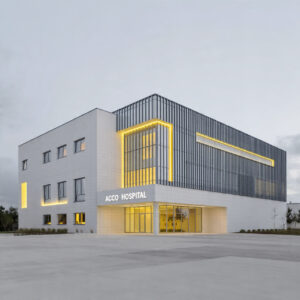
Guidelines for Design and Construction of Hospital & Healthcare Facilities – Complete Guide by ACCO Construction
🏥 About ACCO Construction ACCO Construction is one of Pakistan’s leading construction firms specializing in hospital and healthcare facility design and construction. Based in Lahore, ACCO has over 20 years of experience in delivering state-of-the-art medical facilities including OTs, ICUs,
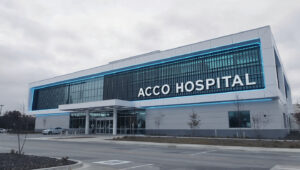
How to Plan & Construct a Modern Hospital in Lahore – ACCO Construction
How to Plan & Construct a Modern Hospital in Lahore – Complete Guide by ACCO Construction 🏥 About ACCO Construction – Lahore’s Leading Hospital Design & Construction Experts ACCO Construction is one of Pakistan’s most trusted names in hospital design,

How to Plan & Construct a Modern Hospital in Lahore – Complete 2026 Guide | ACCO Construction
How to Plan & Construct a Modern Hospital in Lahore Hospital Construction in Lahore is a high-impact investment that blends architecture, engineering, healthcare regulations, and modern technology. Whether you’re planning a 50-bed specialty clinic or a 500-bed tertiary care center,
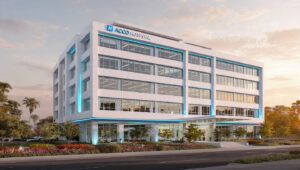
Timeline: How Long a Hospital Project Takes in Pakistan — Complete Breakdown by ACCO Construction
Introduction to ACCO Construction ACCO Construction stands among Pakistan’s most trusted engineering and construction companies, known for delivering complex projects with precision, speed, and quality. With over 20+ years of experience, ACCO has completed numerous healthcare, commercial, industrial, and institutional
How We Reduce 20% Construction Cost With Smart Planning — ACCO Construction Pakistan
Introduction to ACCO Construction ACCO Construction is one of Pakistan’s most trusted design and build companies, delivering premium residential, commercial, industrial, and turnkey construction for 20+ years. Based in Lahore and serving clients across Pakistan, ACCO specializes in: Smart architectural
Turnkey Solutions — Design + Architecture + Construction
Turnkey Solutions — Design + Architecture + Construction In today’s fast-paced construction industry, clients in Pakistan increasingly demand end-to-end solutions. From initial design to final construction, a turnkey approach simplifies project management, ensures quality, and guarantees timely delivery. ACCO Construction,
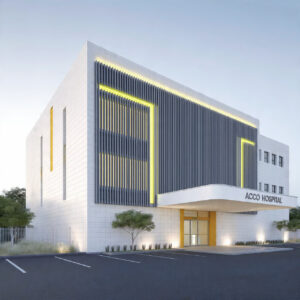
Why You Should Hire a Specialized Hospital Design Firm
Healthcare infrastructure in Pakistan is rapidly evolving due to increased patient loads, growing urban populations, and rising expectations for international-standard healthcare. Designing a hospital is not like designing a commercial plaza or residential building—it requires precision, medical knowledge, regulatory compliance,
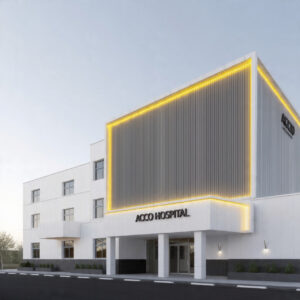
Top Questions Clients Ask Before Starting a Hospital Project | ACCO Construction
🏗️ Introduction to ACCO Construction ACCO Construction is Pakistan’s leading hospital design, healthcare planning, and medical facility construction company, delivering high-quality and compliant healthcare infrastructures for over 20 years. Based in Lahore and serving nationwide, ACCO specializes in: Hospital Architecture

Hospital Noise Control Techniques – Complete Guide by ACCO Construction
Introduction to ACCO Construction ACCO Construction is one of Pakistan’s leading construction and engineering companies, specializing in high-quality healthcare, pharmaceutical, industrial, and commercial building projects. With over 20+ years of experience in Lahore, Islamabad, Karachi, and major cities, ACCO is

Pharmacy Placement: What Owners Should Know | ACCO Construction
Introduction to ACCO Construction ACCO Construction is one of Pakistan’s leading design & build companies, headquartered in Gulberg-III, Lahore. With decades of experience in commercial construction, retail design, and healthcare facility development, ACCO has delivered modern pharmacies, clinics, laboratories, and

Lab & Diagnostic Area Layout (Simple Plan) – Expert Guide by ACCO
Introduction to ACCO Engineering ACCO Engineering is a leading construction and design company in Pakistan, specializing in modern residential, commercial, and industrial spaces. With years of experience in architectural planning, interior design, and turnkey construction, ACCO has delivered high-quality projects

Patient Waiting Area Design (Low Budget Solutions): A Complete Guide for Pakistan | ACCO Construction
🏢 Introduction to ACCO Construction ACCO Construction is one of Pakistan’s leading and most trusted architecture, construction, and design-build companies, delivering high-quality healthcare, commercial, and residential projects for over 20+ years. Based in Lahore, ACCO specializes in hospital design, healthcare

Best Design for Emergency / Trauma Rooms – ACCO Construction | Emergency Room Design Pakistan
🏥 Introduction to ACCO Construction – Pakistan’s Leading Healthcare Facility Designers ACCO Construction is one of Pakistan’s most trusted names in hospital design, healthcare engineering, and turnkey medical facility construction. With decades of experience, a strong footprint in Lahore, Karachi,
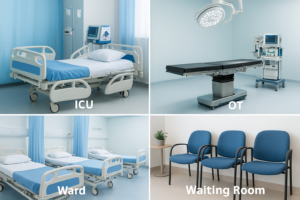
Hygienic Materials for OT & ICU – The Ultimate Guide for Modern Healthcare Construction | ACCO Construction
Introduction to ACCO Construction ACCO Construction is one of Pakistan’s most trusted names in hospital construction, healthcare interior design, and hygienic building solutions. With decades of experience, a strong presence in Lahore, and expertise in OT (Operation Theatre) and ICU

Why Natural Light Is So Important in Hospitals — A Complete Guide by ACCO Construction
🌟 Introduction to ACCO Construction ACCO Construction is one of Pakistan’s leading names in hospital planning, architecture, interior design, and turnkey construction. Based in Lahore, ACCO has over 20 years of experience delivering world-class healthcare environments, including: Hospital Design &