Hospital Architecture: Creating Dignity and Comfort in Healthcare Design | ACCO Construction


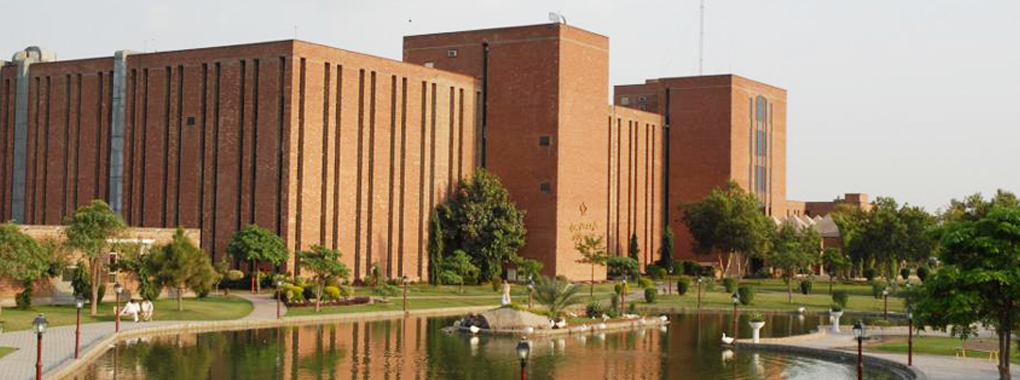
Shaukat Khanum Memorial Cancer Hospital Design & Construction Key Lessons for Pakistan’s Healthcare Infrastructure
Shaukat Khanum Memorial Cancer Hospital Design & Construction: Lessons for Pakistan Shaukat Khanum Hospital Design & Construction is widely regarded as a benchmark for healthcare infrastructure in Pakistan. The hospital has set new standards in patient-centered planning, medical architecture, and
Step-by-Step Hospital Construction Plan & Architecture Design in Pakistan By ACCO Construction – Experts in Healthcare Infrastructure
Step-by-Step Hospital Construction Plan & Architecture Design in Pakistan Hospital construction in Pakistan is one of the most technical and responsibility-driven areas of the construction industry. A hospital is not just a building—it is a life-saving environment that demands precision,

Hospital Architecture: Creating Dignity and Comfort in Healthcare Design | ACCO Construction
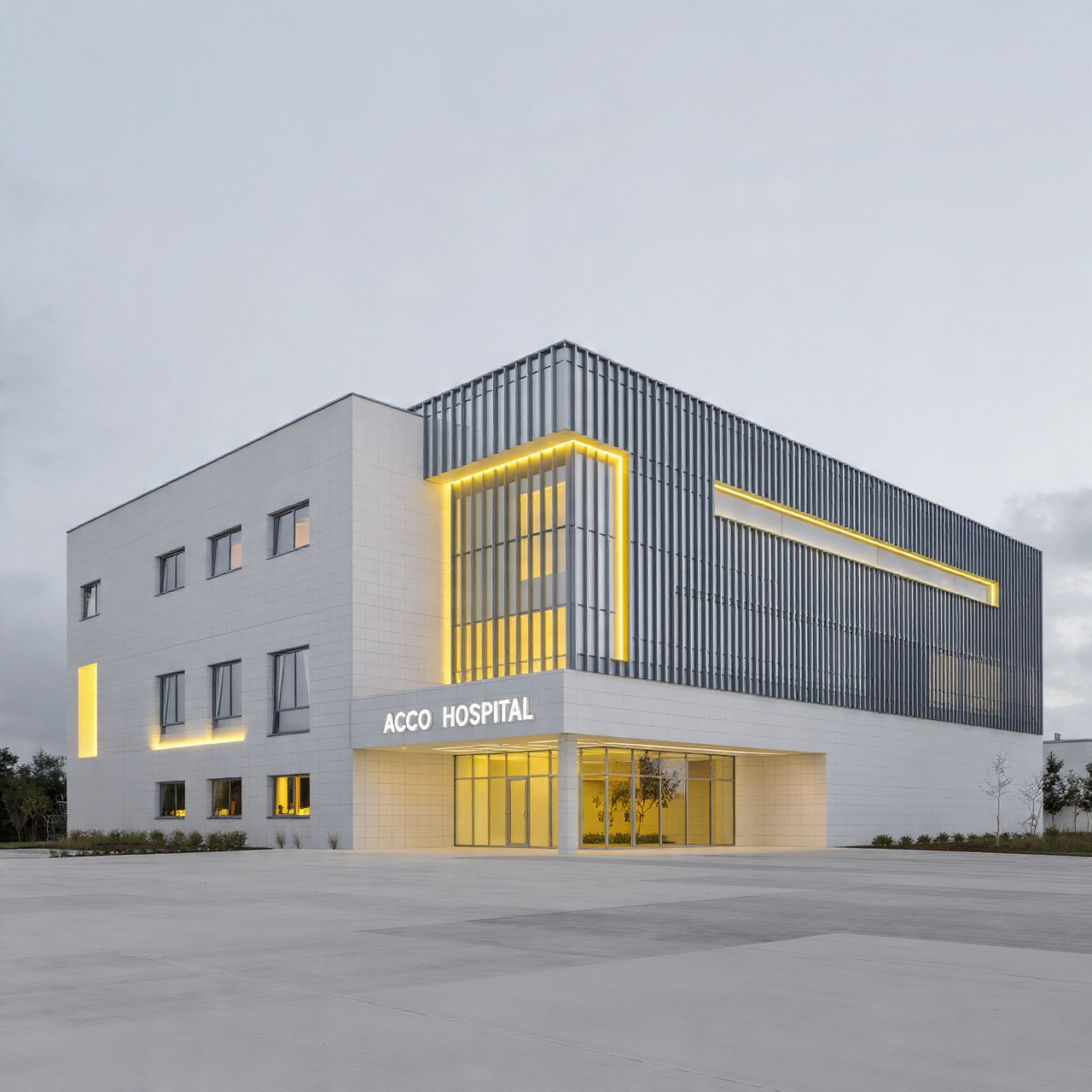
Introduction Hospital architecture is more than just designing buildings; it is about creating environments where healing, dignity, and comfort intersect with clinical efficiency. Thoughtful design positively impacts patient outcomes, staff productivity, and visitor satisfaction. From small clinics to tertiary hospitals,
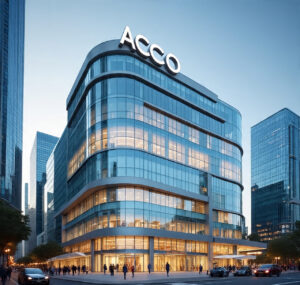
Hospital Planning, Design & Construction: Expert Insights | ACCO Construction
Summary: This comprehensive guide covers the full lifecycle of hospital projects — from initial site selection and functional programming to MEP systems, infection control, accessibility, sustainability, cost estimation and phased delivery. Use this as a practical roadmap to deliver safe,
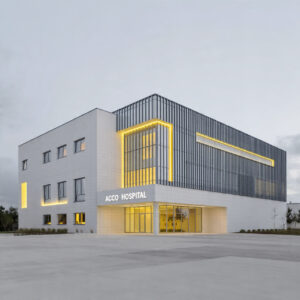
Guidelines for Design and Construction of Hospital & Healthcare Facilities – Complete Guide by ACCO Construction
🏥 About ACCO Construction ACCO Construction is one of Pakistan’s leading construction firms specializing in hospital and healthcare facility design and construction. Based in Lahore, ACCO has over 20 years of experience in delivering state-of-the-art medical facilities including OTs, ICUs,
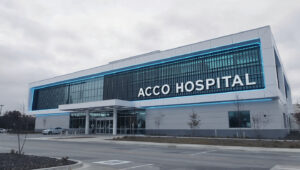
How to Plan & Construct a Modern Hospital in Lahore – ACCO Construction
How to Plan & Construct a Modern Hospital in Lahore – Complete Guide by ACCO Construction 🏥 About ACCO Construction – Lahore’s Leading Hospital Design & Construction Experts ACCO Construction is one of Pakistan’s most trusted names in hospital design,

How to Plan & Construct a Modern Hospital in Lahore – Complete 2026 Guide | ACCO Construction
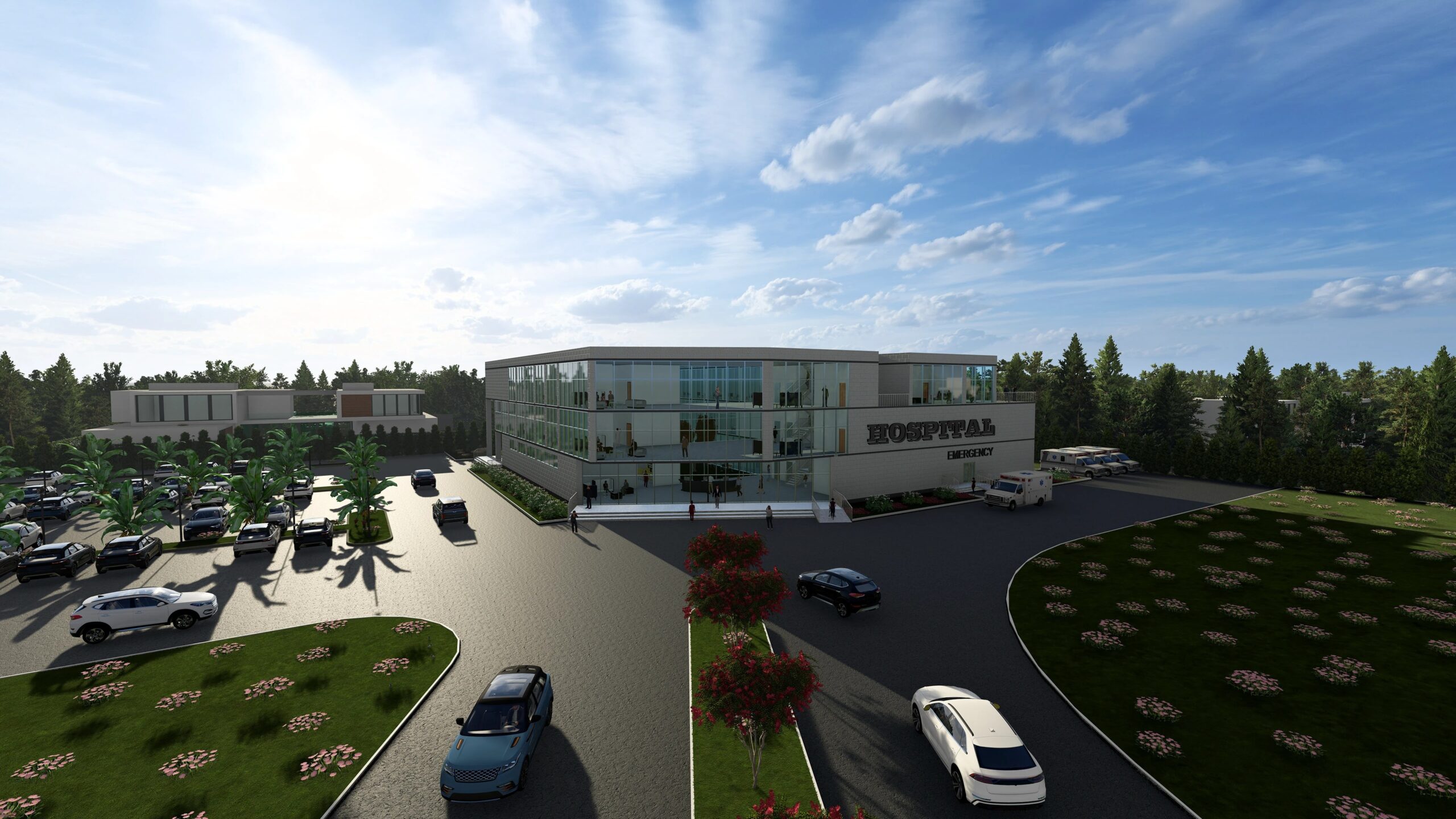
How to Plan & Construct a Modern Hospital in Lahore Hospital Construction in Lahore is a high-impact investment that blends architecture, engineering, healthcare regulations, and modern technology. Whether you’re planning a 50-bed specialty clinic or a 500-bed tertiary care center,

Timeline: How Long a Hospital Project Takes in Pakistan — Complete Breakdown by ACCO Construction
Introduction to ACCO Construction ACCO Construction stands among Pakistan’s most trusted engineering and construction companies, known for delivering complex projects with precision, speed, and quality. With over 20+ years of experience, ACCO has completed numerous healthcare, commercial, industrial, and institutional
How We Reduce 20% Construction Cost With Smart Planning — ACCO Construction Pakistan
Introduction to ACCO Construction ACCO Construction is one of Pakistan’s most trusted design and build companies, delivering premium residential, commercial, industrial, and turnkey construction for 20+ years. Based in Lahore and serving clients across Pakistan, ACCO specializes in: Smart architectural
Turnkey Solutions — Design + Architecture + Construction
Turnkey Solutions — Design + Architecture + Construction In today’s fast-paced construction industry, clients in Pakistan increasingly demand end-to-end solutions. From initial design to final construction, a turnkey approach simplifies project management, ensures quality, and guarantees timely delivery. ACCO Construction,
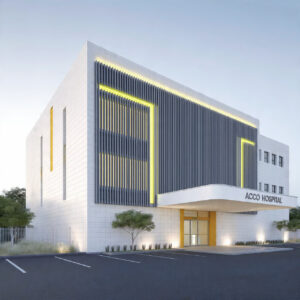
Why You Should Hire a Specialized Hospital Design Firm
Healthcare infrastructure in Pakistan is rapidly evolving due to increased patient loads, growing urban populations, and rising expectations for international-standard healthcare. Designing a hospital is not like designing a commercial plaza or residential building—it requires precision, medical knowledge, regulatory compliance,
Top Questions Clients Ask Before Starting a Hospital Project | ACCO Construction
🏗️ Introduction to ACCO Construction ACCO Construction is Pakistan’s leading hospital design, healthcare planning, and medical facility construction company, delivering high-quality and compliant healthcare infrastructures for over 20 years. Based in Lahore and serving nationwide, ACCO specializes in: Hospital Architecture

Hospital Noise Control Techniques – Complete Guide by ACCO Construction
Introduction to ACCO Construction ACCO Construction is one of Pakistan’s leading construction and engineering companies, specializing in high-quality healthcare, pharmaceutical, industrial, and commercial building projects. With over 20+ years of experience in Lahore, Islamabad, Karachi, and major cities, ACCO is

Pharmacy Placement: What Owners Should Know | ACCO Construction
Introduction to ACCO Construction ACCO Construction is one of Pakistan’s leading design & build companies, headquartered in Gulberg-III, Lahore. With decades of experience in commercial construction, retail design, and healthcare facility development, ACCO has delivered modern pharmacies, clinics, laboratories, and

Lab & Diagnostic Area Layout (Simple Plan) – Expert Guide by ACCO
Introduction to ACCO Engineering ACCO Engineering is a leading construction and design company in Pakistan, specializing in modern residential, commercial, and industrial spaces. With years of experience in architectural planning, interior design, and turnkey construction, ACCO has delivered high-quality projects

Patient Waiting Area Design (Low Budget Solutions): A Complete Guide for Pakistan | ACCO Construction
🏢 Introduction to ACCO Construction ACCO Construction is one of Pakistan’s leading and most trusted architecture, construction, and design-build companies, delivering high-quality healthcare, commercial, and residential projects for over 20+ years. Based in Lahore, ACCO specializes in hospital design, healthcare

Best Design for Emergency / Trauma Rooms – ACCO Construction | Emergency Room Design Pakistan
🏥 Introduction to ACCO Construction – Pakistan’s Leading Healthcare Facility Designers ACCO Construction is one of Pakistan’s most trusted names in hospital design, healthcare engineering, and turnkey medical facility construction. With decades of experience, a strong footprint in Lahore, Karachi,
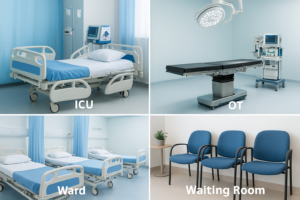
Hygienic Materials for OT & ICU – The Ultimate Guide for Modern Healthcare Construction | ACCO Construction
Introduction to ACCO Construction ACCO Construction is one of Pakistan’s most trusted names in hospital construction, healthcare interior design, and hygienic building solutions. With decades of experience, a strong presence in Lahore, and expertise in OT (Operation Theatre) and ICU

Why Natural Light Is So Important in Hospitals — A Complete Guide by ACCO Construction
🌟 Introduction to ACCO Construction ACCO Construction is one of Pakistan’s leading names in hospital planning, architecture, interior design, and turnkey construction. Based in Lahore, ACCO has over 20 years of experience delivering world-class healthcare environments, including: Hospital Design &