HOSPITAL DESIGN HUB Top Trends in Modern Hospital Design in Oman: Transforming Healthcare Facilities
Top Trends in Modern Hospital Design in Oman: Transforming Healthcare Facilities
SEO Meta-Description: Discover the top trends in modern hospital design in Oman that are transforming healthcare facilities. Learn how architecture and design are enhancing patient care and operational efficiency.
Introduction to Hospital Design in Oman
As healthcare demands evolve in Oman, so does the need for modern, efficient, and patient-centered hospital designs. The architecture of healthcare facilities has a profound impact on patient outcomes, staff efficiency, and overall healthcare delivery. In Oman, where the healthcare sector is rapidly developing, the focus on innovative and sustainable hospital design is stronger than ever. This article explores the top trends in modern hospital design in Oman, highlighting how these trends are transforming healthcare facilities to meet the needs of both patients and healthcare providers.
Trend 1: Patient-Centered Design
One of the most significant trends in hospital design is the shift towards patient-centered spaces. This approach emphasizes the creation of environments that promote healing, comfort, and well-being. In Oman, new hospital designs are increasingly incorporating elements that reduce stress and anxiety for patients, such as natural light, calming color schemes, and private rooms.
Patient-centered design also extends to the inclusion of family areas within patient rooms, allowing loved ones to be present during the recovery process. By prioritizing the patient experience, hospitals in Oman are not only improving patient satisfaction but also supporting better health outcomes.
Trend 2: Sustainable and Green Architecture
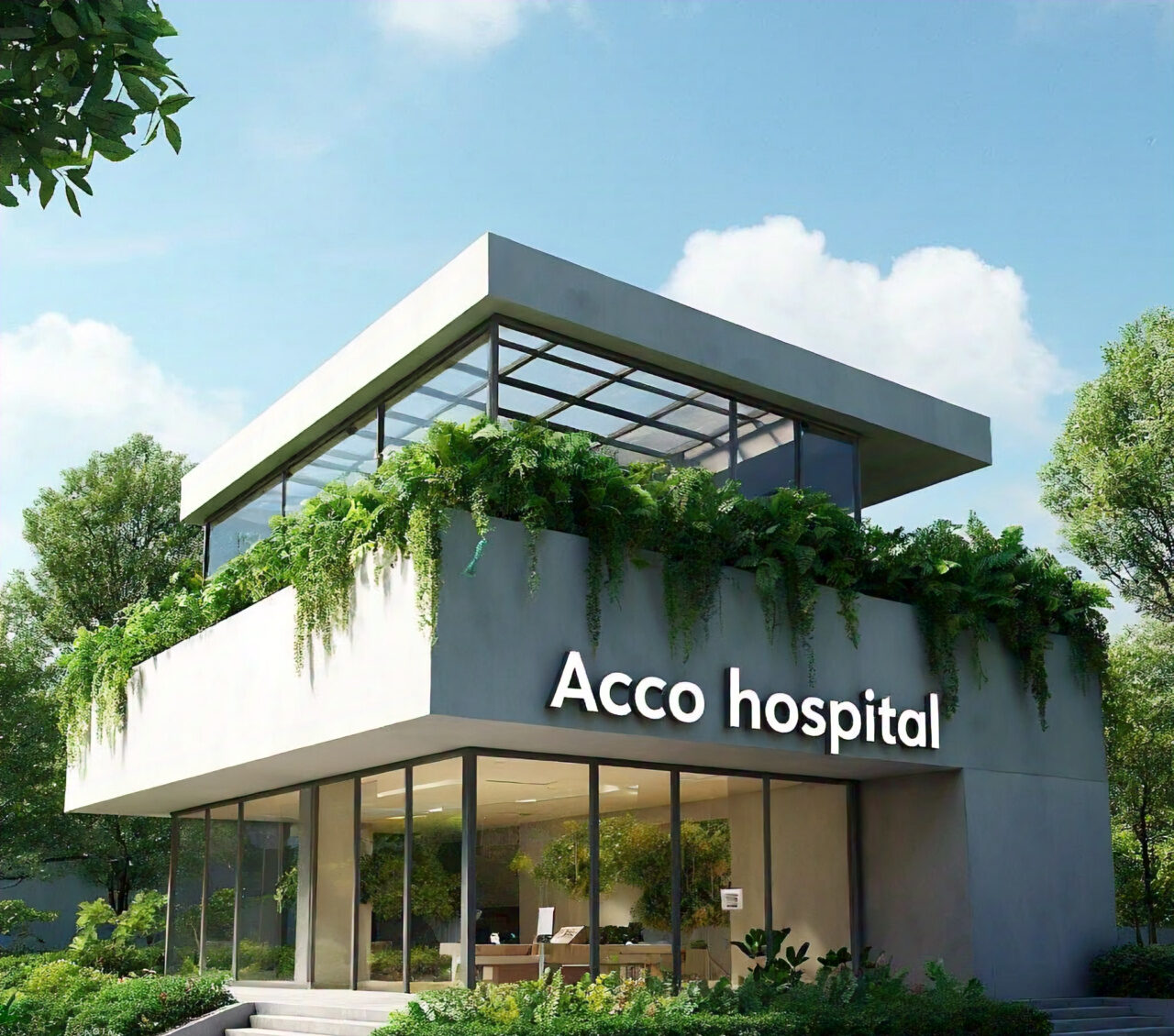
Sustainability is becoming a cornerstone of modern hospital design in Oman. With a growing awareness of environmental issues, there is a strong push towards incorporating green building practices into healthcare facilities. This includes the use of energy-efficient systems, sustainable materials, and designs that minimize the hospital’s carbon footprint.
Green roofs, solar panels, and advanced water conservation systems are just a few examples of sustainable practices being integrated into Omani hospitals. These initiatives not only reduce operational costs but also create healthier environments for patients and staff.
Trend 3: Technological Integration
Technology is playing a critical role in the modernization of hospital design in Oman. Hospitals are increasingly being equipped with state-of-the-art digital infrastructure that supports telemedicine, electronic health records (EHR), and advanced diagnostic tools.
The design of these facilities now includes spaces that accommodate the latest medical technologies, ensuring that hospitals are future-proofed against the rapid pace of technological advancement. Smart systems that monitor patient conditions, optimize energy usage, and enhance security are becoming standard features in new hospital designs.
Trend 4: Flexibility and Adaptability in Design
Modern hospital designs in Oman are increasingly focused on flexibility and adaptability. With the healthcare landscape constantly evolving, hospitals need to be able to adjust to new demands quickly. This trend involves designing spaces that can be easily reconfigured to serve different purposes as needs change.
For example, modular rooms that can be adapted from intensive care units to regular patient rooms, or spaces that can quickly be converted for emergency use during pandemics, are becoming more common. This flexibility ensures that hospitals remain functional and effective regardless of unforeseen challenges.
Trend 5: Integration of Cultural Elements
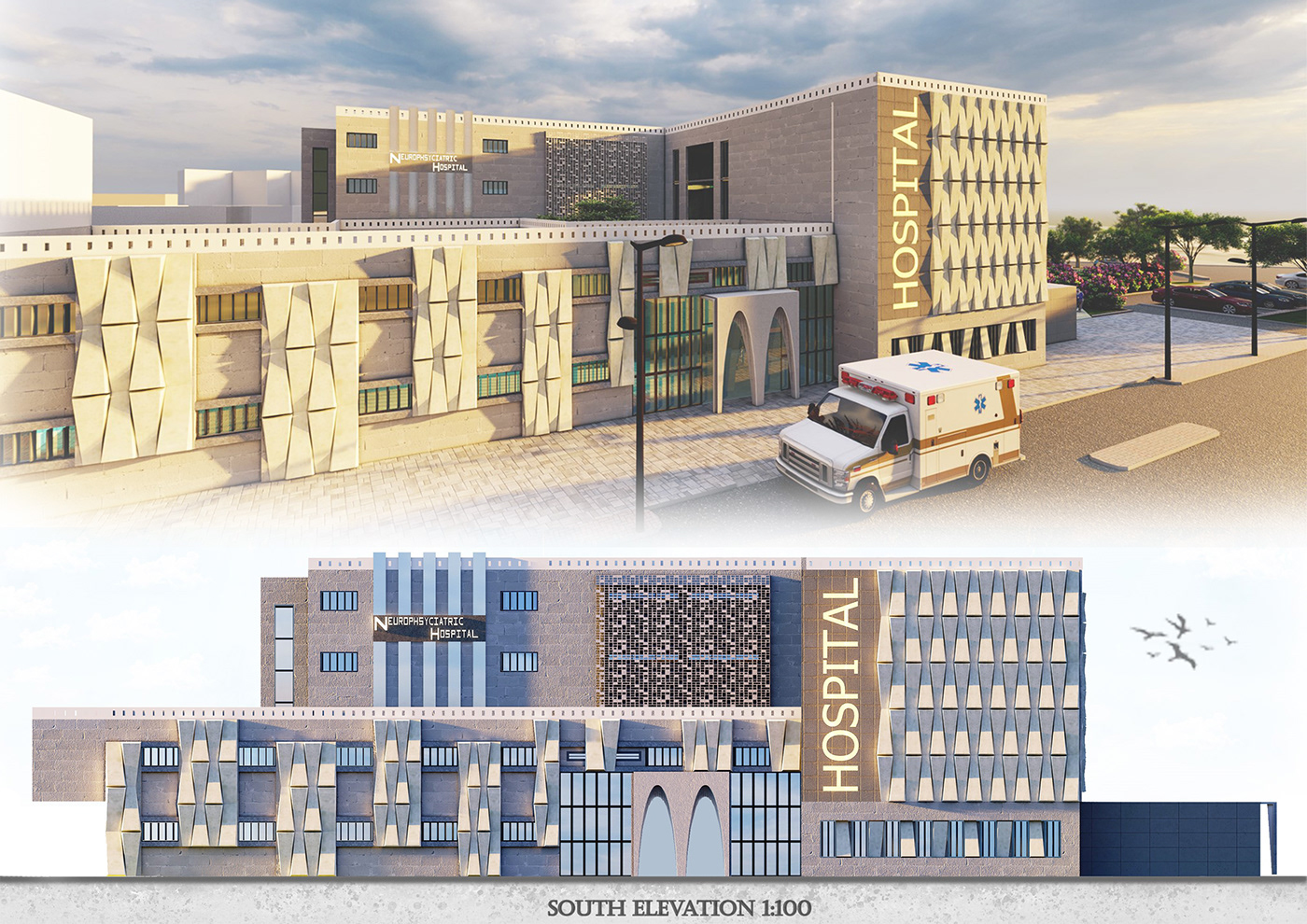
Cultural sensitivity is an essential aspect of hospital design in Oman. Modern healthcare facilities are now incorporating elements of Omani culture and traditions into their design, creating spaces that feel familiar and comforting to patients.
This can be seen in the use of traditional architectural elements, color schemes that reflect the local environment, and the inclusion of prayer rooms and other culturally significant spaces. By respecting and integrating local culture, hospitals can provide a more holistic and supportive environment for their patients.
Trend 6: Focus on Staff Well-Being
The well-being of healthcare staff is critical to the overall success of a hospital. Modern designs in Oman are paying increased attention to creating environments that support the health and well-being of doctors, nurses, and other healthcare professionals.
This includes the design of staff lounges, relaxation areas, and ergonomic workspaces that reduce physical strain. Additionally, hospitals are incorporating more natural light and outdoor spaces where staff can relax and recharge. By focusing on staff well-being, hospitals can improve morale, reduce burnout, and ultimately provide better care to patients.
Trend 7: Emphasis on Safety and Infection Control
Safety and infection control have always been priorities in hospital design, but recent events, such as the COVID-19 pandemic, have heightened their importance. In Oman, modern hospital designs are incorporating advanced infection control measures, such as negative pressure rooms, antimicrobial surfaces, and improved ventilation systems.
These designs are also considering the flow of patients and staff to minimize cross-contamination and reduce the spread of infections. By integrating these safety features into the architecture, hospitals in Oman are better equipped to handle both routine care and emergency situations.
Trend 8: Incorporation of Healing Gardens and Green Spaces
Healing gardens and green spaces are becoming an integral part of hospital design in Oman. These areas provide patients, staff, and visitors with a place to connect with nature, which has been shown to reduce stress and promote healing.
These outdoor spaces are often designed to be accessible from patient rooms or common areas, allowing patients to enjoy fresh air and natural surroundings without leaving the hospital. The incorporation of greenery and natural elements inside the hospital, such as indoor plants and water features, further enhances the healing environment.
Trend 9: Advanced Emergency and Critical Care Design
The design of emergency and critical care areas is evolving to meet the growing demands of healthcare in Oman. Modern hospital designs are focusing on creating spaces that are not only efficient and functional but also supportive of the high-stress environment in which emergency care is provided.
This includes the layout of emergency rooms to facilitate quick access to essential medical equipment, clear signage for faster navigation, and the integration of technology that supports rapid decision-making. Critical care units are being designed with more space for family members, acknowledging their role in patient recovery.
Trend 10: Enhanced Accessibility and Inclusivity
Accessibility is a key consideration in the design of modern hospitals in Oman. New designs are focused on creating environments that are inclusive and accessible to all patients, regardless of their physical abilities.
This involves the use of universal design principles, such as wider doorways, ramps, and clear signage, to ensure that all patients can navigate the hospital with ease. Hospitals are also incorporating assistive technologies, such as voice-activated controls and visual aids, to support patients with disabilities. By enhancing accessibility, hospitals can provide better care and create a more welcoming environment for everyone.
Conclusion
The trends in modern hospital design in Oman are a reflection of the country’s commitment to providing high-quality, patient-centered healthcare. By integrating sustainable practices, advanced technology, cultural sensitivity, and a focus on well-being, these designs are transforming healthcare facilities into spaces that promote healing, efficiency, and innovation. As Oman continues to invest in its healthcare infrastructure, these trends will play a crucial role in shaping the future of healthcare in the region.