
HOSPITAL DESIGN HUB Innovative Hospital Design in Oman: Creating Patient-Centered Healthcare Spaces
Innovative Hospital Design in Oman: Creating Patient-Centered Healthcare Spaces
SEO Meta-Description: Explore innovative hospital design in Oman that focuses on creating patient-centered healthcare spaces. Learn how modern designs are enhancing patient care and experience.
Introduction to Patient-Centered Hospital Design in Oman
In the rapidly advancing healthcare landscape of Oman, the emphasis on patient-centered design is reshaping how hospitals are built and operated. The shift towards innovative hospital design reflects a deeper understanding of the impact that physical spaces have on patient outcomes, staff efficiency, and overall satisfaction. By prioritizing the needs and well-being of patients, these designs are revolutionizing healthcare facilities across the country. This article delves into the key elements of patient-centered hospital design in Oman and how these innovations are transforming the healthcare experience.
The Core Principles of Patient-Centered Design
Patient-centered design revolves around the idea that healthcare environments should be tailored to support the comfort, dignity, and healing of patients. This approach goes beyond mere aesthetics; it integrates functionality with empathy, ensuring that every aspect of the hospital environment contributes to a positive patient experience.
Key principles include the use of natural light, calming color palettes, noise reduction strategies, and the provision of private spaces. In Oman, hospitals are increasingly incorporating these elements to create environments that reduce stress and promote healing, ultimately leading to better health outcomes.
Incorporating Natural Elements into Hospital Design
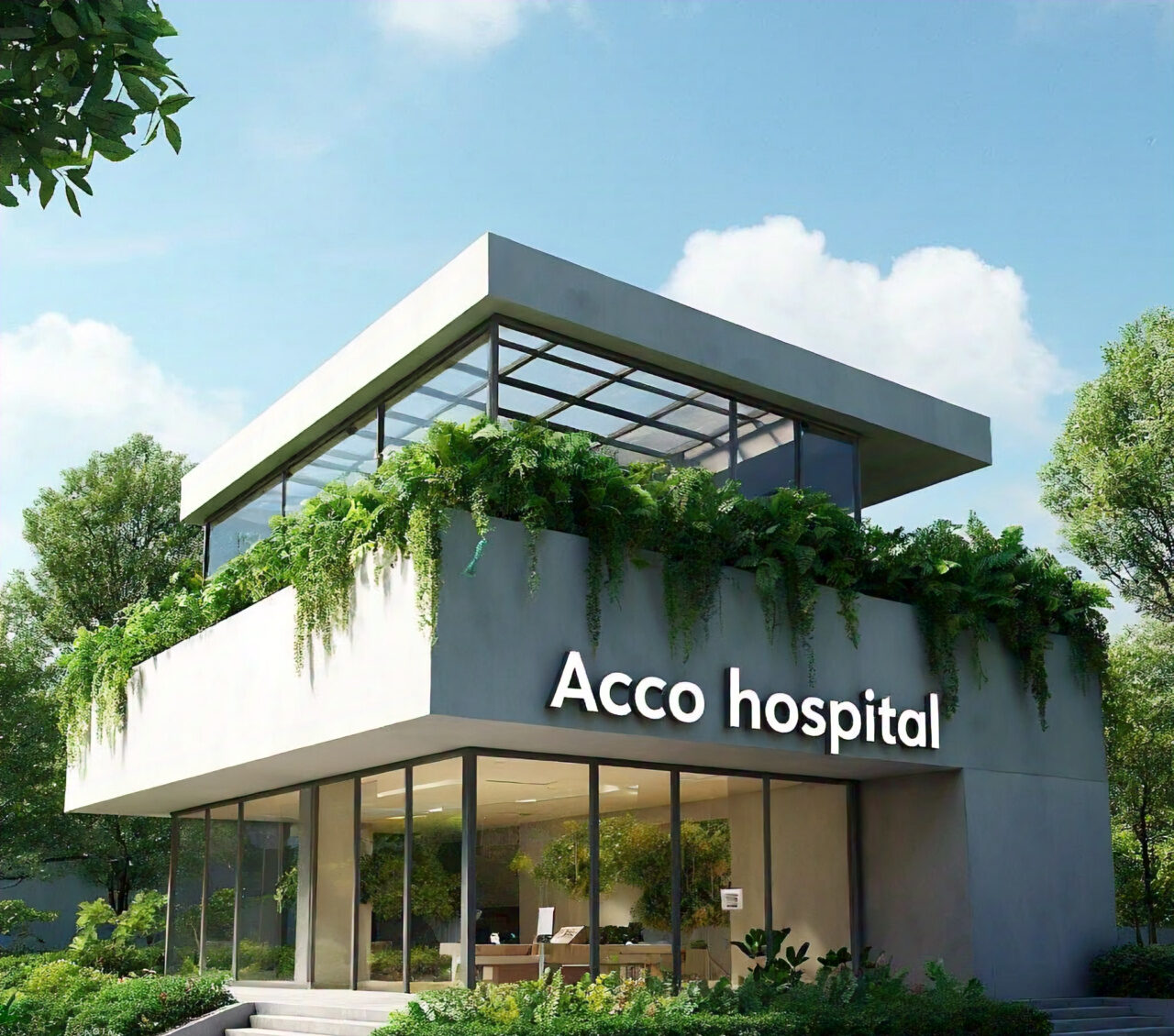
One of the standout trends in Oman’s hospital design is the integration of natural elements into the healthcare environment. Research has shown that access to nature can significantly improve patient recovery times and reduce stress levels. As a result, hospitals in Oman are incorporating features such as healing gardens, indoor plants, and large windows that allow natural light to flood into patient rooms and common areas.
These natural elements not only enhance the aesthetic appeal of the hospital but also create a more serene and comforting atmosphere. By bringing the outdoors inside, hospitals are able to provide patients with a sense of tranquility and connection to the natural world, which is essential for mental and emotional well-being.
The Role of Privacy in Patient-Centered Care
Privacy is a crucial aspect of patient-centered design, and modern hospitals in Oman are taking significant steps to ensure that patients feel secure and respected. Private rooms have become a standard feature, offering patients a personal space where they can rest and recover without the disruptions of a shared environment.
In addition to private rooms, hospitals are also designing spaces that allow for confidential conversations between patients, their families, and healthcare providers. This focus on privacy helps to build trust and fosters a more personalized approach to care, where patients feel more comfortable discussing their needs and concerns.
Enhanced Patient and Family Engagement
Engagement with patients and their families is a central component of patient-centered design. Hospitals in Oman are creating spaces that facilitate communication and interaction between patients, their families, and healthcare staff. Family zones within patient rooms, comfortable waiting areas, and communal spaces for family gatherings are becoming common features.
These designs recognize the important role that family plays in the healing process. By creating spaces that encourage family involvement, hospitals can enhance the support system available to patients, contributing to faster recovery and improved satisfaction.
Integration of Advanced Technology in Patient Care
In the digital age, technology plays a vital role in enhancing patient care. Innovative hospital designs in Oman are seamlessly integrating advanced technology to improve both patient experience and healthcare delivery. This includes the use of electronic health records (EHR), telemedicine facilities, and smart systems that allow patients to control their environment, such as lighting, temperature, and entertainment options, from their beds.
Moreover, technology is being used to streamline administrative processes, reduce wait times, and ensure that healthcare providers have quick access to critical patient information. These technological advancements contribute to a more efficient and responsive healthcare system, where patient needs are met more effectively.
Designing for Diverse Patient Needs
Oman’s healthcare facilities serve a diverse population, including patients of different ages, cultural backgrounds, and health conditions. To accommodate this diversity, hospitals are adopting flexible designs that can be easily adapted to meet various needs. For example, pediatric wards are designed with playful, child-friendly elements, while spaces for elderly patients might include features that support mobility and safety.
Cultural considerations are also paramount, with hospitals incorporating design elements that respect local traditions and practices. This includes the provision of prayer rooms, culturally appropriate food options, and spaces designed with privacy in mind, which are particularly important in Oman’s conservative society.
Focus on Staff Well-being and Efficiency
A patient-centered approach to hospital design also considers the well-being of healthcare staff. In Oman, innovative hospital designs are creating environments that support staff health, reduce stress, and enhance efficiency. This includes ergonomic workspaces, access to natural light, and designated areas where staff can rest and recharge during long shifts.
By prioritizing staff well-being, hospitals can improve job satisfaction, reduce burnout, and ultimately provide better care to patients. Additionally, efficient workflows are designed into the hospital layout, ensuring that staff can move quickly and easily between patient rooms, treatment areas, and administrative offices, thereby improving overall operational efficiency.
Sustainable Design Practices in Omani Hospitals
Sustainability is another important aspect of modern hospital design in Oman. As the country works towards a more environmentally responsible future, hospitals are being designed with sustainability in mind. This includes the use of energy-efficient systems, sustainable building materials, and designs that reduce waste and water consumption.
Sustainable hospital designs not only help protect the environment but also create healthier indoor environments for patients and staff. For example, the use of low-emission materials improves air quality, while energy-efficient lighting and climate control systems ensure a comfortable environment with minimal environmental impact.
Flexible Spaces for Future-Proofing
The healthcare landscape is constantly evolving, and hospitals must be able to adapt to new challenges and opportunities. In Oman, innovative hospital designs are focusing on creating flexible spaces that can be easily reconfigured to accommodate changing needs. This includes modular patient rooms, adaptable treatment areas, and multi-purpose spaces that can be quickly repurposed in response to emergencies, such as pandemics or natural disasters.
Future-proofing hospitals in this way ensures that they remain functional and effective, regardless of what the future holds. It also allows healthcare facilities to quickly integrate new technologies and treatment methods as they become available.
Conclusion
Innovative hospital design in Oman is setting new standards for patient-centered healthcare. By integrating natural elements, prioritizing privacy, enhancing patient and family engagement, and incorporating advanced technology, these designs are creating spaces that promote healing, well-being, and efficiency. As Oman continues to invest in its healthcare infrastructure, these patient-centered design principles will play a crucial role in ensuring that healthcare facilities meet the evolving needs of the population. The result is a healthcare system that is not only modern and efficient but also deeply attuned to the needs and experiences of its patients.