HOSPITAL DESIGN HUB: 10 Innovative Hospital Design Trends for Modern Healthcare
HOSPITAL DESIGN HUB: 10 Innovative Hospital Design Trends for Modern Healthcare
SEO Meta Description: Discover the top 10 innovative hospital design trends transforming modern healthcare. Learn how these trends improve patient care, efficiency, and sustainability in hospital environments.
| Headings | Sub-Headings |
|---|---|
| Introduction | |
| The Importance of Innovative Hospital Design | |
| 1. Patient-Centric Design | |
| 2. Sustainable Design Practices | |
| 3. Integration of Smart Technology | |
| 4. Flexible and Adaptable Spaces | |
| 5. Healing Environments | |
| 6. Efficient Workflow and Space Utilization | |
| 7. Safety and Infection Control | |
| 8. Accessibility and Inclusivity | |
| 9. Incorporation of Nature and Biophilic Design | |
| 10. Collaborative and Multi-Functional Areas | |
| Case Studies of Innovative Hospital Designs | |
| Future Trends in Hospital Design | |
| FAQs | |
| Conclusion |
Introduction
The healthcare industry is continually evolving, and hospital design must keep pace to meet the needs of modern healthcare. Innovative hospital design trends focus on improving patient care, enhancing efficiency, and promoting sustainability. This article explores ten cutting-edge trends in hospital design that are shaping the future of healthcare facilities.
The Importance of Innovative Hospital Design
Innovative hospital design plays a crucial role in improving patient outcomes, reducing operational costs, and creating a more sustainable and efficient healthcare environment. By incorporating the latest design trends, hospitals can better meet the needs of patients, staff, and the community.
1. Patient-Centric Design
Patient-centric design focuses on creating environments that prioritize patient comfort, safety, and well-being. This trend involves designing private rooms, reducing noise levels, and incorporating elements that provide a sense of calm and privacy. Patient-centric design also includes intuitive wayfinding systems to reduce stress and improve the overall patient experience.
2. Sustainable Design Practices
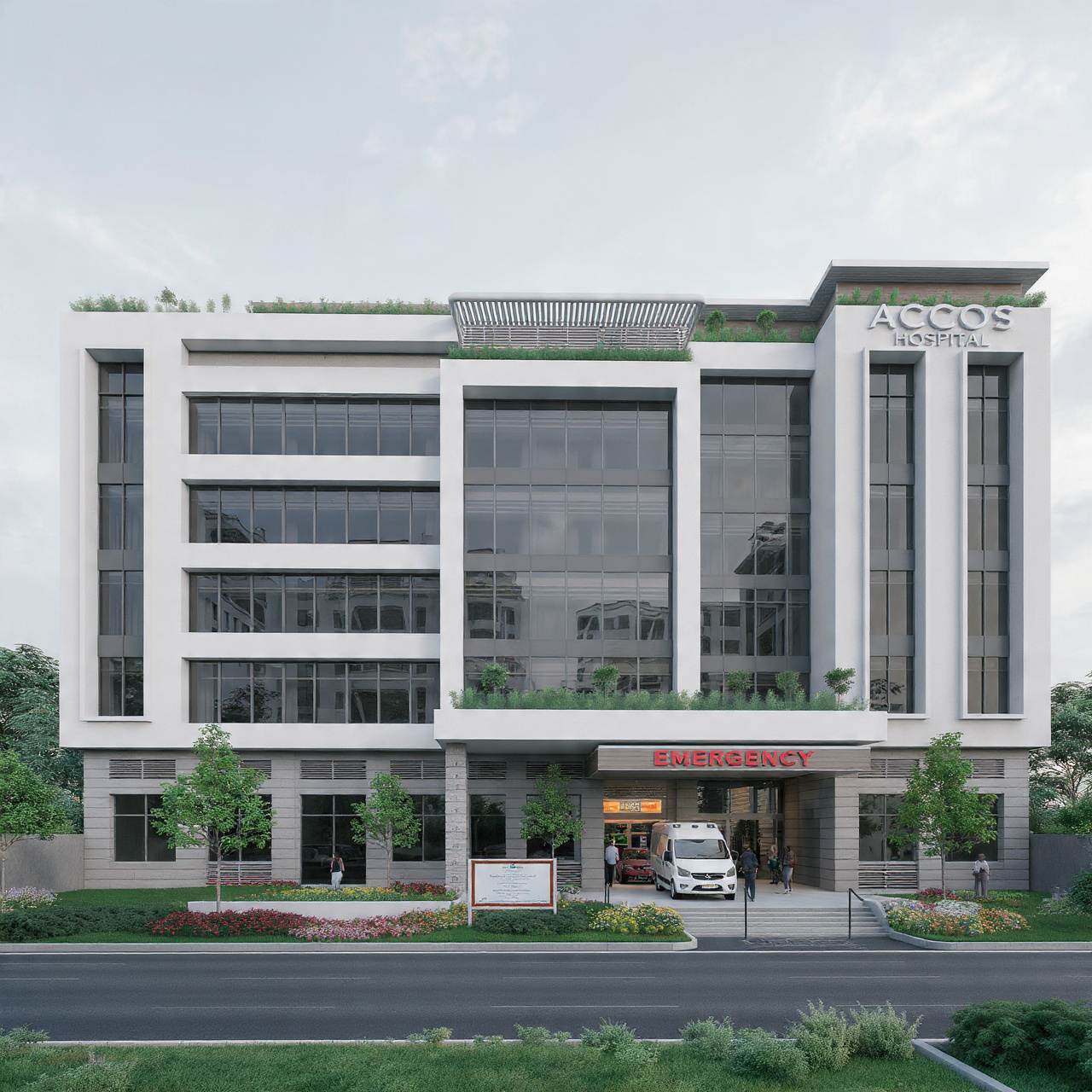
Sustainability is a significant trend in hospital design, driven by the need to reduce environmental impact and operational costs. Sustainable practices include the use of eco-friendly materials, energy-efficient systems, and water conservation measures. Green roofs, solar panels, and rainwater harvesting systems are becoming common features in modern hospital designs.
3. Integration of Smart Technology
The integration of smart technology in hospital design enhances patient care and operational efficiency. Smart technologies include automated lighting and climate control, advanced security systems, and telemedicine capabilities. These technologies enable real-time monitoring and management of hospital operations, improving patient outcomes and reducing costs.
4. Flexible and Adaptable Spaces
Flexible and adaptable spaces allow hospitals to respond to changing needs and advancements in healthcare. Modular design, movable walls, and multi-purpose rooms enable hospitals to reconfigure spaces quickly and efficiently. This flexibility is crucial for accommodating new technologies, treatment methods, and patient care models.
5. Healing Environments
Healing environments focus on creating spaces that promote physical, emotional, and psychological well-being. This trend involves using natural light, soothing colors, and comfortable furnishings to create a welcoming atmosphere. Healing gardens, meditation rooms, and art installations are also incorporated to enhance the healing process.
6. Efficient Workflow and Space Utilization
Efficient workflow and space utilization are essential for optimizing hospital operations and improving patient care. This trend involves designing layouts that minimize travel distances for staff, streamline patient flow, and reduce bottlenecks. Efficient use of space also includes centralizing services and incorporating decentralized nursing stations.
7. Safety and Infection Control
Safety and infection control are paramount in hospital design. Innovations in this area include the use of antimicrobial materials, touchless fixtures, and advanced air filtration systems. Designing with infection control in mind helps reduce the spread of infections and ensures a safer environment for patients and staff.
8. Accessibility and Inclusivity
Accessibility and inclusivity in hospital design ensure that facilities are welcoming and usable for all patients, regardless of their physical abilities. This trend involves incorporating universal design principles, such as wider doorways, accessible restrooms, and clear signage. Inclusivity also means considering the needs of diverse populations and providing culturally sensitive spaces.
9. Incorporation of Nature and Biophilic Design
Biophilic design incorporates natural elements into the built environment to improve well-being and reduce stress. This trend includes the use of natural materials, indoor plants, and large windows with views of nature. Access to outdoor spaces, such as gardens and green roofs, is also an essential aspect of biophilic design.
10. Collaborative and Multi-Functional Areas
Collaborative and multi-functional areas are designed to support teamwork and enhance communication among healthcare providers. These spaces include flexible meeting rooms, interdisciplinary workspaces, and areas for family involvement in patient care. Multi-functional areas can also serve various purposes, such as patient education, support groups, and community events.
Case Studies of Innovative Hospital Designs
- Johns Hopkins Hospital, Baltimore, MD: Known for its patient-centric design, incorporating private rooms and intuitive wayfinding systems.
- Sidra Medicine, Doha, Qatar: A prime example of sustainable design, featuring energy-efficient systems and green building practices.
- New Parkland Hospital, Dallas, TX: Utilizes flexible and adaptable spaces to accommodate changing healthcare needs and technologies.
- Maggie’s Centres, UK: Renowned for healing environments, with a focus on natural light, gardens, and comforting interiors.
Future Trends in Hospital Design
The future of hospital design will continue to evolve, with a focus on personalized care, technological advancements, and sustainable practices. Trends such as virtual reality for patient relaxation, artificial intelligence for operational efficiency, and zero-energy buildings will shape the next generation of healthcare facilities.
FAQs
What is patient-centric design in hospitals? Patient-centric design prioritizes the comfort, safety, and well-being of patients, incorporating elements like private rooms, noise reduction, and intuitive wayfinding systems.
How do sustainable design practices benefit hospitals? Sustainable design practices reduce environmental impact, lower operational costs, and create healthier environments for patients and staff through eco-friendly materials, energy-efficient systems, and water conservation measures.
What are some examples of smart technology in hospital design? Examples include automated lighting and climate control, advanced security systems, telemedicine capabilities, and real-time monitoring of hospital operations.
How does biophilic design improve hospital environments? Biophilic design incorporates natural elements like plants, natural light, and views of nature to reduce stress and enhance the well-being of patients and staff.
What are flexible and adaptable spaces in hospitals? These are spaces designed to be easily reconfigured to accommodate changing healthcare needs, new technologies, and different treatment methods.
Conclusion
Innovative hospital design trends are transforming healthcare facilities, making them more patient-centric, sustainable, and efficient. ACCO is at the forefront of these trends, implementing cutting-edge designs that enhance patient care and operational effectiveness. By embracing these innovative trends, hospitals can create environments that promote healing, improve outcomes, and meet the evolving needs of modern healthcare.