
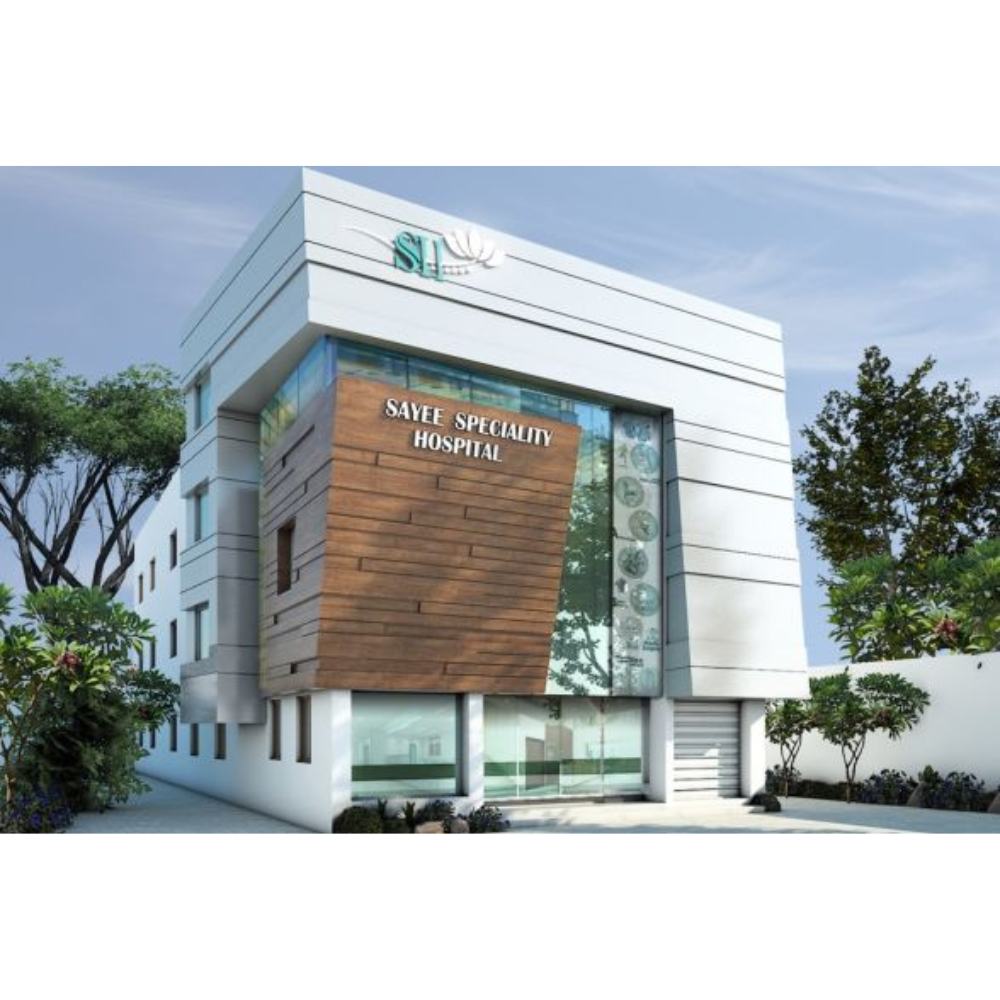
CHILDREN’S HOSPITAL DESIGN AND PLANNING SERVICES IN INDIA ,UK,USA AND ANYWHERE IN THE WORLD
Designing and planning a children’s hospital requires special considerations to create a safe, welcoming, and supportive environment for young patients and their families. Below is a comprehensive guide to the design and planning process for a children’s hospital, applicable in India, the UK, the USA, and globally:
1. Needs Assessment
- Healthcare Needs: Analyze pediatric health statistics, common conditions, and community needs.
- Stakeholder Consultation: Engage with healthcare professionals, parents, and children to understand their requirements and preferences.
2. Site Selection and Planning
- Location: Ensure accessibility, proximity to other medical facilities, and good transportation links.
- Environmental Impact: Conduct an assessment to ensure sustainable development and minimal disruption.
3. Architectural Design
- Space Planning:
- Patient Rooms: Private or semi-private rooms with space for family members to stay.
- Play Areas: Indoor and outdoor play spaces to support child development and provide a sense of normalcy.
- Specialized Units: Neonatal Intensive Care Unit (NICU), Pediatric Intensive Care Unit (PICU), surgery suites, and specialized treatment rooms.
- Common Areas: Family lounges, cafeterias, and quiet rooms for relaxation and stress relief.
- Zoning: Clearly define zones for different activities (treatment, administration, relaxation) to reduce stress and enhance functionality.
4. Compliance and Standards
- Regulatory Requirements: Ensure adherence to local building codes, health and safety standards, and pediatric care regulations.
- Accessibility: Design for children of all ages and abilities, including those with disabilities.
5. Sustainable Design
- Energy Efficiency: Use eco-friendly building materials, energy-efficient systems, and renewable energy sources.
- Natural Light and Ventilation: Maximize the use of natural light and ensure good air quality.
- Waste Management: Implement robust waste management systems, including recycling and safe disposal of medical waste.
6. Interior Design and Equipment
- Child-Friendly Design: Use bright colors, engaging themes, and artwork to create a cheerful environment.
- Furniture and Fixtures: Durable, easy-to-clean, and safe for children.
- Medical Equipment: Ensure state-of-the-art equipment tailored for pediatric care.
- Comfort and Privacy: Design spaces to ensure privacy and comfort for patients and their families.
7. Safety and Security
- Fire Safety: Install fire alarms, sprinklers, and ensure clear emergency exits.
- Security Systems: Implement surveillance cameras, secure entry systems, and child protection protocols.
8. Information Technology
- Health Information Systems: Integrate advanced EHR systems for managing pediatric health records.
- Networking: Ensure a robust IT infrastructure for reliable connectivity and telemedicine services.
9. Construction and Project Management
- Contractors and Subcontractors: Choose professionals with experience in pediatric healthcare facilities.
- Project Timeline: Develop a realistic timeline with key milestones.
- Budget Management: Monitor and manage expenses effectively.
10. Post-Construction
- Staff Training: Train staff on new facilities, equipment, and child-centric care approaches.
- Maintenance Plan: Establish a regular maintenance schedule for the facility and equipment.
- Community Outreach: Inform the community about the hospital’s services and engage in pediatric health education.
Example Layout for a Children’s Hospital
Ground Floor
- Entrance Lobby: Reception, visitor seating, and information desk.
- Outpatient Clinics: Consultation rooms, diagnostic labs, and treatment areas.
- Emergency Department: Dedicated pediatric emergency care with triage, observation, and treatment rooms.
- Imaging and Diagnostic Areas: X-ray, MRI, and CT scan facilities.
Upper Floors
- Patient Wards: Private and semi-private rooms with family accommodations.
- Intensive Care Units: NICU and PICU with specialized equipment and facilities.
- Surgical Suites: Operating rooms and post-operative recovery areas.
- Therapy and Rehabilitation: Physical, occupational, and speech therapy rooms.
Outdoor Areas
- Playgrounds: Safe and engaging outdoor play areas.
- Gardens: Therapeutic gardens with walking paths, benches, and shaded areas for relaxation.
Cultural Considerations
- India: Incorporate local cultural elements and traditional healing practices where appropriate. Ensure designs cater to large family visits and include facilities for food preparation.
- UK: Follow the National Health Service (NHS) guidelines and incorporate designs that reflect local architecture and climate.
- USA: Adhere to the guidelines from the American Academy of Pediatrics (AAP) and design with a focus on advanced technology integration and family-centered care.
Would you like more detailed information on a specific aspect of the children’s hospital design, or need help with a particular project?
Comments
0 Likes
2026, Architecture, Budgeting, Buildings, Clinic & Diagnostic Center Design, Construction, construction, Cost., Design, Design & Build Projects, Develpoment, Diagnostic, Experts, Facilities, Flooring Options, Flow Design, Furniture, Green & Sustainable Hospital Design, Healthcare Architecture, Healthcare Construction Trends & News, Healthcare Design, Healthcare Hospital, Hospital, Hospital Construction Cost Guides, Hospital Construction in Pakistan, Hospital design, Hospital Design & Planning, Hospital HVAC & Infection Control, Hospital Noise, Hospital Renovation & Expansion, Hygenic, ICU, Ideas, Infrastructure, Innovations, interior design, Islamabad, Karachi, Lab, Lahore, Layout, Leading, Low Budget, Materials, Medical Equipment Planning, Mistakes, Modern, Modernization, OPD, Operation Theater, OT, Pakistan, Patents, Pharmacy, PHC & Healthcare Regulations, Placement, Planings, Project Management, Project Management & Planning, Projects, Renovation, Services, Smart Hospital Technology, solutions, Specialized, Structural Engineering for Hospitals MEP Systems in Healthcare Buildings Fire & Safety Systems, Sukkur, Superstructures, Sustainable, Techniques, Timeline, Top, Trauma Center, Trends, Turnkey Construction Solutions, Turnkeys, Uncategorized, Upgrades, Waiting Area

